


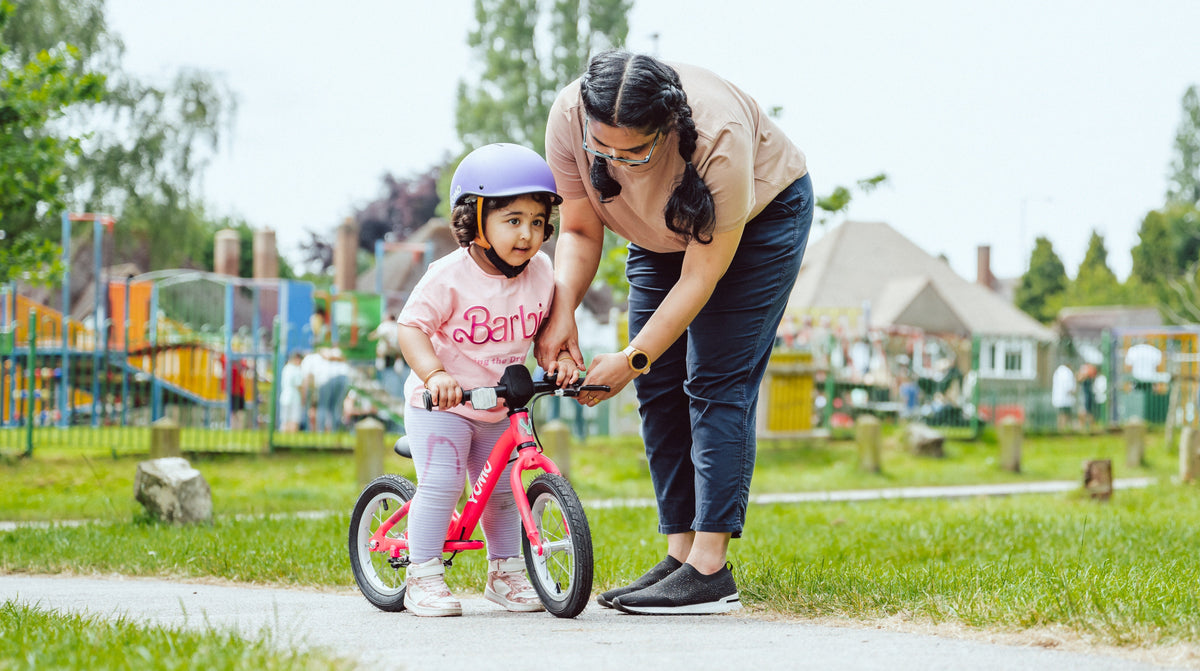
Choosing your child’s first bike is a big moment. One of the first decisions many parents face is whether to start with a balance bike or a pedal bike with stabilisers.
Both can help a child get started, but they teach different skills. Balance bikes focus on balance and steering first, while stabilisers allow a child to practise pedalling without needing to balance the bike independently.
So which is better? For many young children, a balance bike can make the eventual transition to independent cycling simpler. Here’s how the two approaches compare.
What is a balance bike?
A balance bike is a small bicycle without pedals. Children move it by pushing against the ground with their feet and can put their feet down whenever they need to stop or steady themselves.
As their confidence develops, they typically progress from walking with the bike to taking longer strides and eventually gliding with both feet off the ground. During this process they are practising two of the fundamental skills needed for cycling: balance and steering.
What is a bike with stabilisers?
Stabilisers, also known as training wheels, are small wheels fitted to either side of the rear wheel of a pedal bike. They help prevent the bike from tipping over while a child learns to pedal and steer.
This can give some children reassurance and allows them to concentrate on pedalling. However, because the stabilisers keep the bicycle upright, the child does not need to balance the bike in the same way they will when riding independently.
Balance bikes vs stabilisers: what’s the difference?
| Skill | Balance bike | Bike with stabilisers |
|---|---|---|
| Balance | Practised from the beginning | Mostly supported by the stabilisers |
| Steering | Practised while balancing | Practised while the bike is supported |
| Pedalling | Learned later | Practised from the beginning |
| Stopping | Children can initially use their feet, with brakes where fitted | Usually involves learning to use the bike's brakes |
| Transition to independent riding | Pedalling is usually the main new skill to add | Balance must be developed once the stabilisers are removed |
Why can balance bikes make learning to ride easier?
They teach balance from the beginning
Balancing a moving bicycle is one of the key skills a child needs to ride independently. A balance bike lets them practise this gradually while keeping their feet close to the ground.
As they become more confident, children naturally begin lifting their feet and gliding for longer distances. Once they can glide comfortably and steer accurately, they have already developed much of the balance needed for a pedal bike.
Children can progress at their own pace
A correctly fitted balance bike allows a child to put their feet firmly on the ground. That gives them control over when to move, slow down or stop.
There is no need to rush them into gliding. Walking and running with the bike are useful stages of learning too.
The transition to pedals can be simpler
When a confident balance-bike rider moves to a suitable pedal bike, they do not have to learn balance, steering and pedalling all at once. They can concentrate more on adding pedalling and braking to skills they have already developed.
If you're approaching this stage, our guide to teaching a child to ride a bike without stabilisers explains the process step by step.
Are stabilisers bad for children?
No. Stabilisers are simply a different way of learning.
Some children feel more comfortable beginning on a supported pedal bike, and there is nothing wrong with that. The important point is that stabilisers largely remove the need to balance, so balance still has to be learned when they eventually come off.
If your child already uses stabilisers happily, there is no need to make cycling stressful by suddenly removing them. You can gradually introduce opportunities to practise balance and move towards independent riding when they are ready.
What if my child has outgrown balance bikes?
A child does not necessarily need to go back to a small balance bike to learn the technique.
On some appropriately sized pedal bikes, the pedals can be removed temporarily so the child can practise pushing, balancing and gliding before the pedals are fitted again. The bike must fit the child correctly and allow them to reach the ground comfortably while learning.
Bike fit matters more than age
Whether you choose a balance bike or pedal bike, correct fit is more important than choosing purely by age.
Children of the same age can have very different leg lengths, heights and levels of confidence. A bike that is too large can make starting, stopping and controlling the bike unnecessarily difficult.
Measure your child's inside leg and consider their current riding confidence when choosing a bike. For children learning to ride, being able to reach the ground comfortably can make a significant difference to confidence.
Not sure which YOMO fits best? Use our Perfect Size Finder. Enter your child's height, inside-leg measurement and riding confidence to see the best fit now and, where appropriate, the size that offers more room to grow.
So, are balance bikes better than stabilisers?
For many children learning from an early age, a balance bike is an excellent first step because it develops balance and steering before pedalling is introduced.
Stabilisers can still work, particularly for children who feel more comfortable with additional support. They simply teach the skills in a different order.
The best approach is the one that gives your child a correctly fitted bike, plenty of opportunities to practise and the confidence to progress without pressure.
Moving on to your child's first pedal bike
Once your child can balance, steer and glide confidently, the next step is choosing a pedal bike that fits them properly.
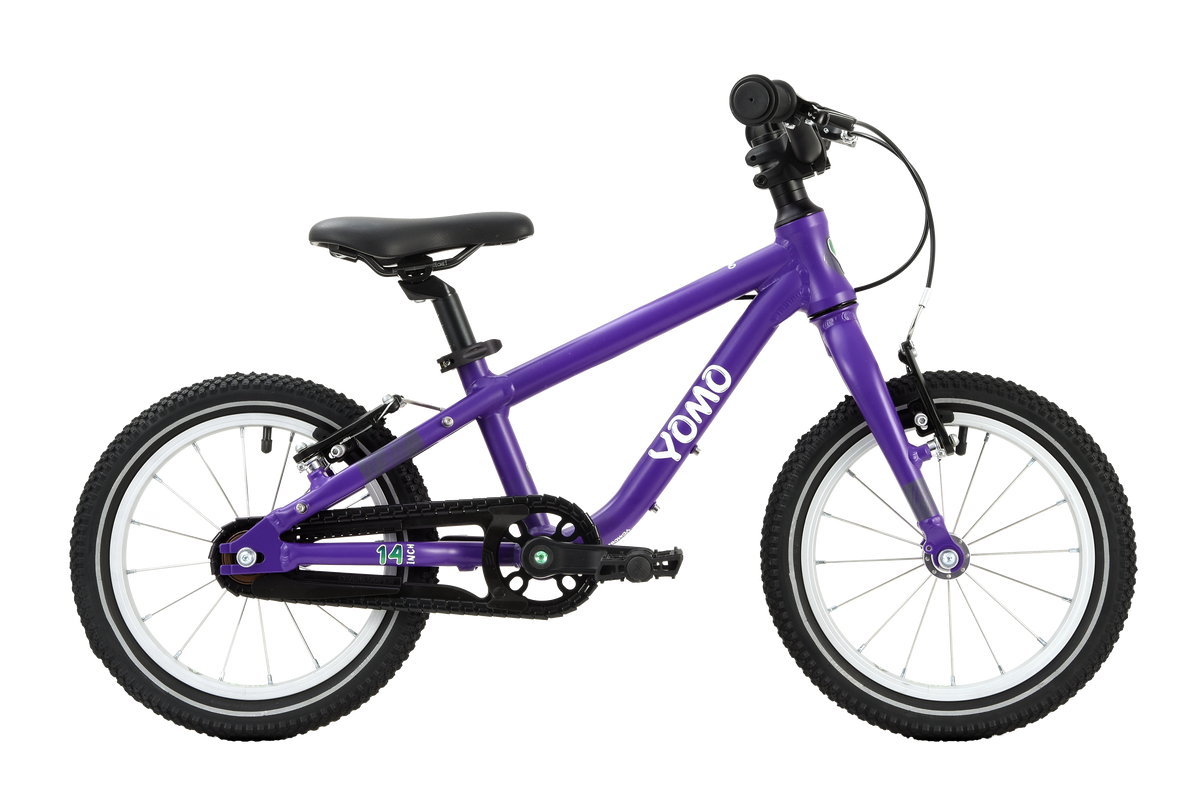
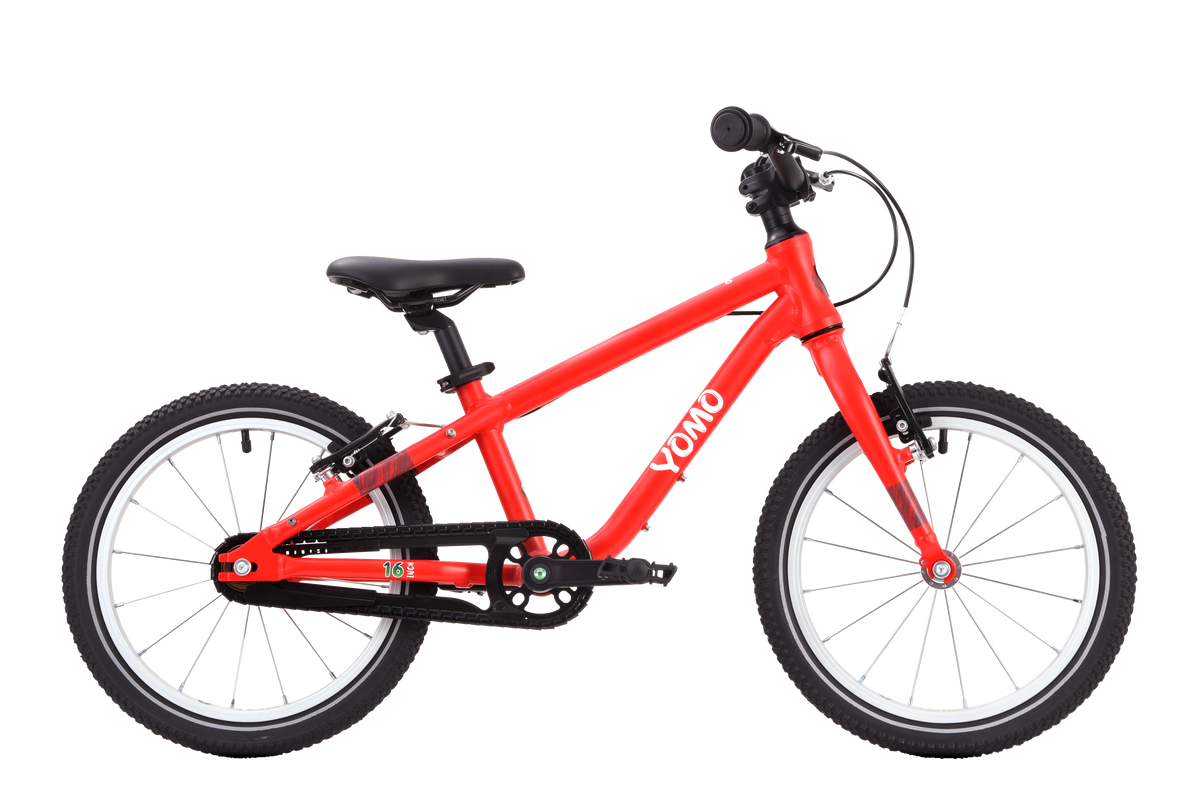
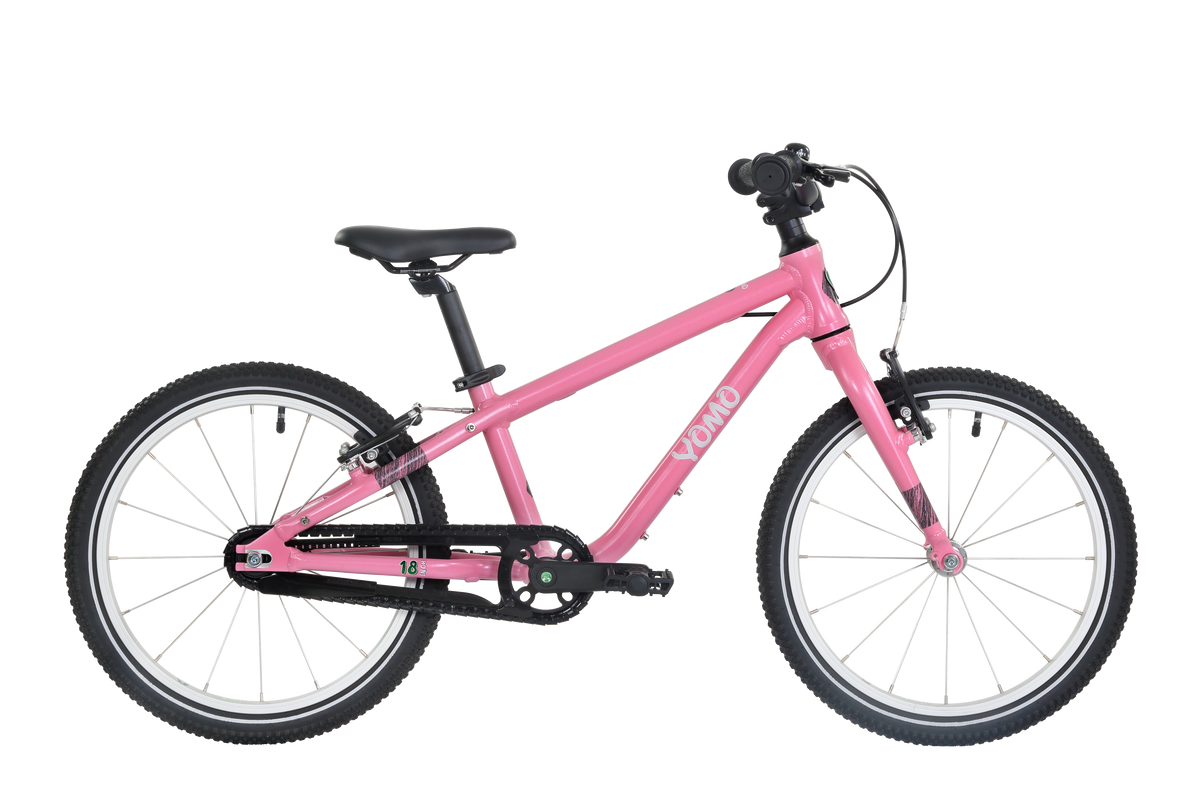
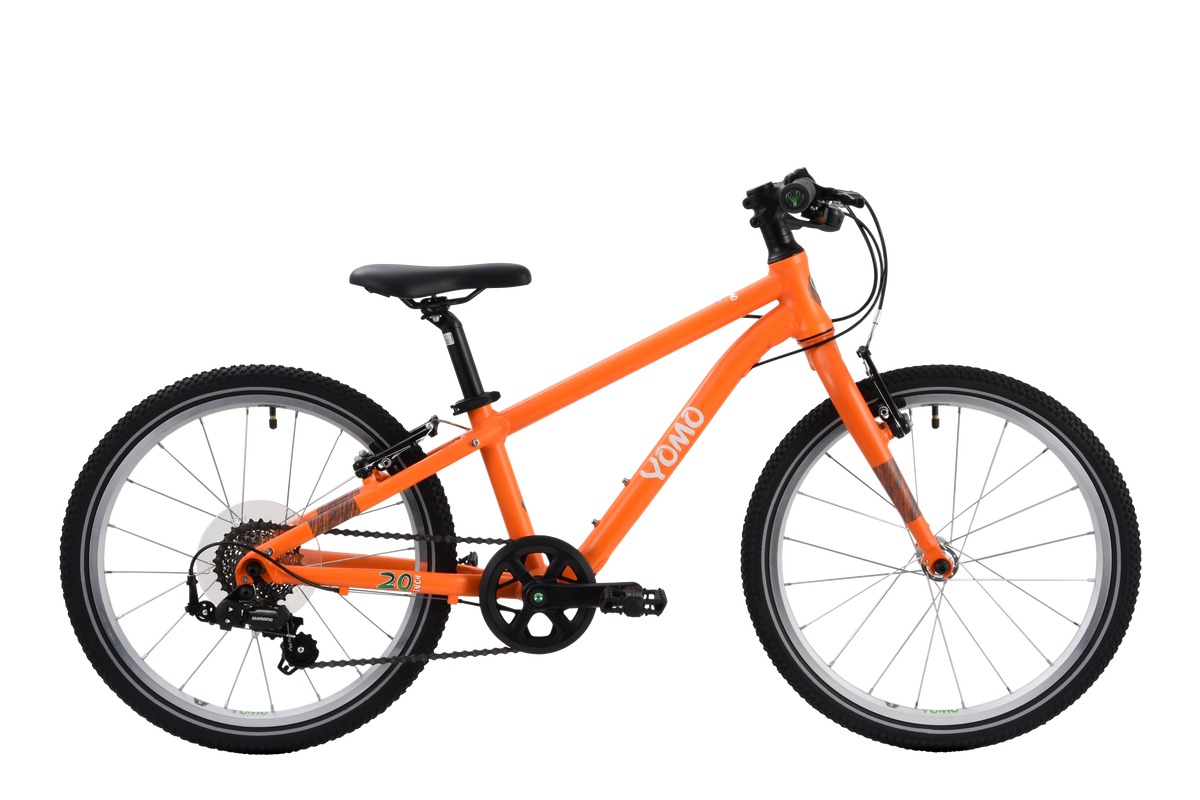
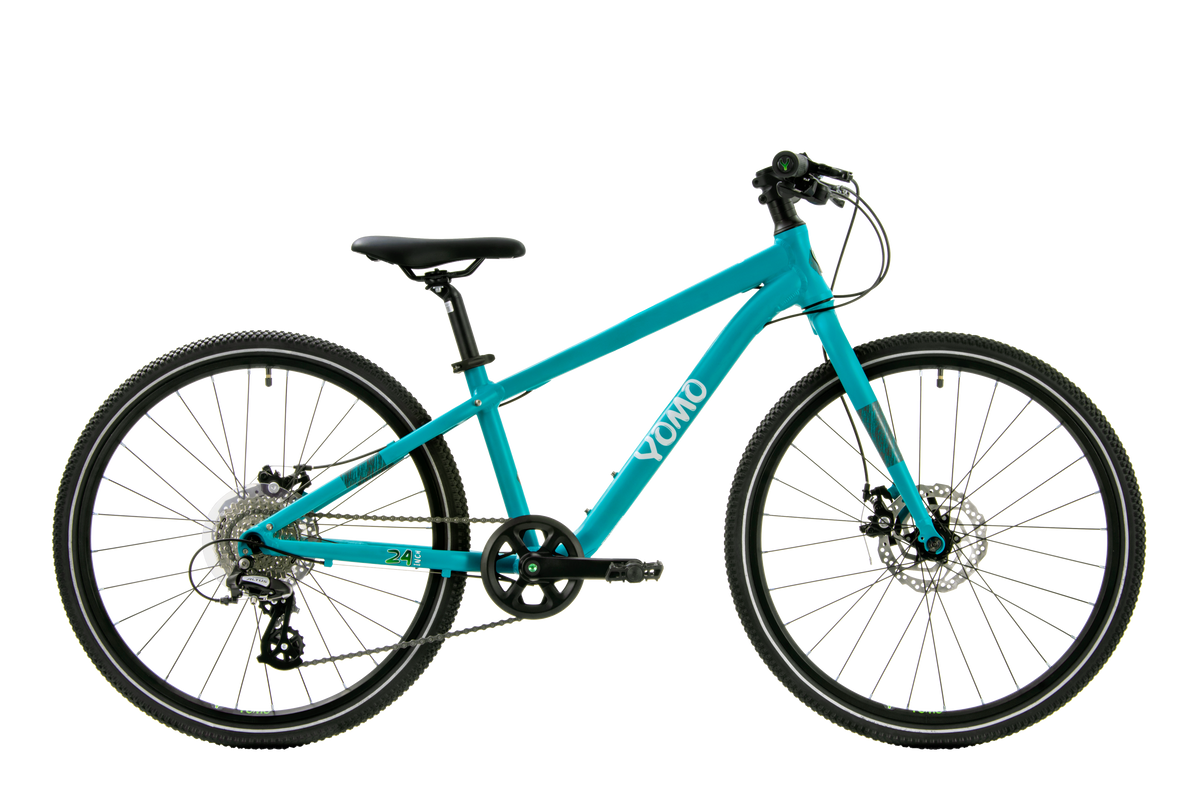
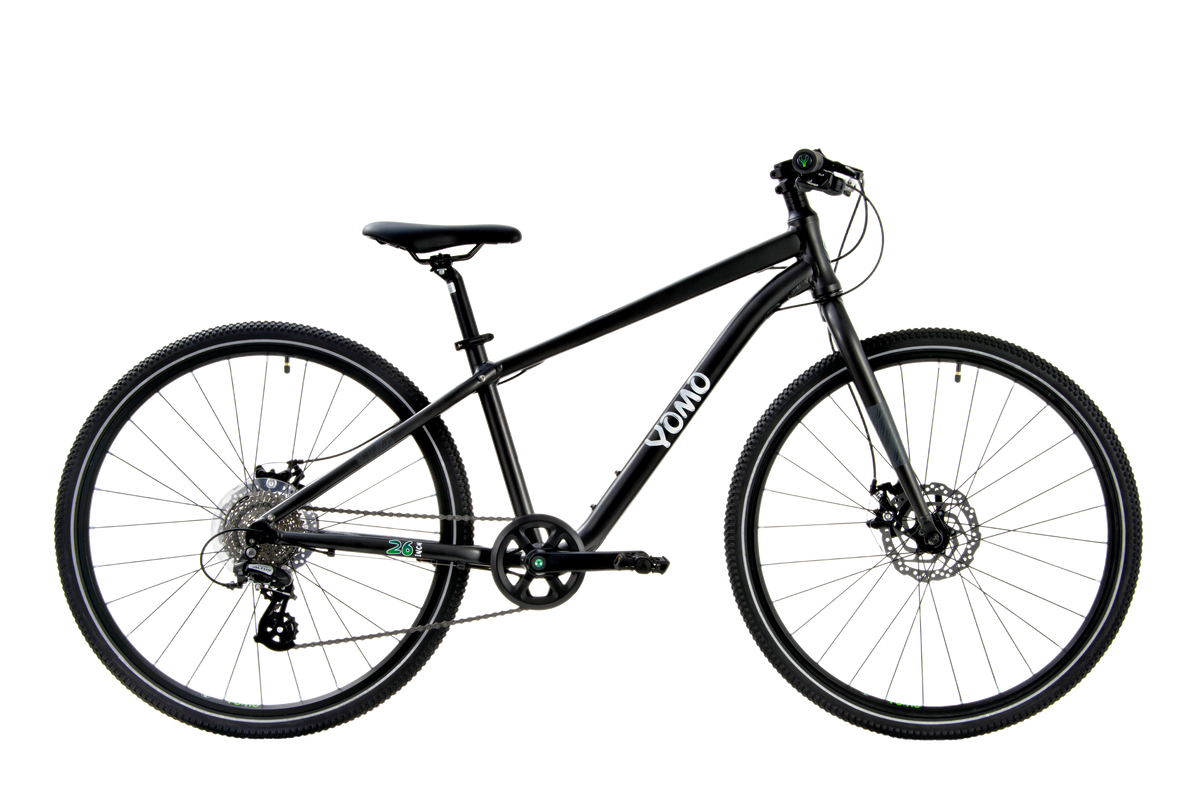
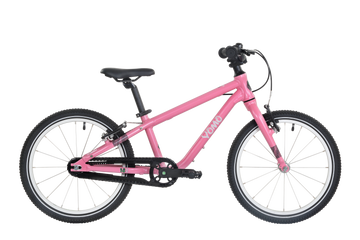
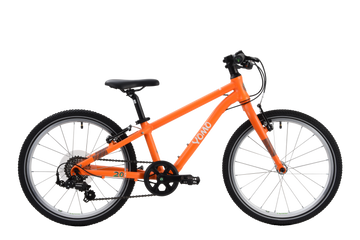
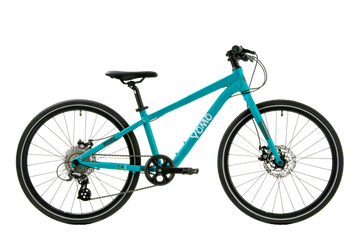
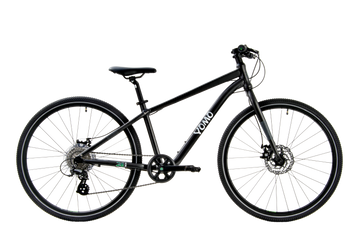
YOMO's lightweight children's bikes are designed around children's proportions, with sizing that considers inside-leg measurement and rider confidence rather than age alone.
Explore YOMO children's bikes or use our Perfect Size Finder to find the best fit for your child now.
When your child eventually outgrows their YOMO, the YOMO BikeTrade programme offers up to 50% credit, subject to inspection, towards their next YOMO bike.


