


Cycling to school can turn an everyday journey into regular time on the bike, but the first school run deserves a little more planning than an ordinary ride around the park.
The right bike, a suitable route, good bike control and a realistic morning routine all matter.
If you're thinking about letting your child cycle to school for the first time, use this checklist to decide whether they're ready and prepare the journey before the school bell is involved.
1. Check whether your child is ready for the route
Being able to ride a bicycle doesn't automatically mean a child is ready for every journey to school.
Think about the particular route as well as your child's riding ability.
Useful skills include being able to:
- start independently;
- ride in a controlled line;
- brake smoothly and stop where intended;
- look behind while maintaining control;
- steer around obstacles;
- control speed on slopes;
- understand basic road signs and markings; and
- respond calmly to instructions from an accompanying adult.
A quiet traffic-free route may be manageable for a child who isn't yet ready for a route involving busy junctions or regular road traffic.
There is no single age at which a child should begin cycling to school independently. Their skills, maturity and the route itself all matter.
2. Make sure the bike still fits properly
A child's bike needs to fit the rider they are today, not the size you hope they'll grow into next year.
Correct fit helps with:
- starting and stopping;
- reaching the brake levers;
- steering;
- low-speed control;
- putting a foot down when required; and
- riding comfortably for the full journey.
For YOMO bikes, inside-leg measurement, current fit and riding confidence should lead the sizing decision, with age used only as an approximate guide.
If your child has grown recently, use the YOMO Perfect Size Finder before beginning a regular school commute.
3. Check the bike before the first school run
Don't wait until a rushed weekday morning to discover a soft tyre or poorly adjusted brake.
Check the bike beforehand.
Tyres
Make sure both tyres are in good condition and inflated within the pressure range shown on the tyre.
Brakes
Test both brakes independently. They should operate predictably and provide effective stopping.
Wheels
Make sure the wheels are correctly secured and rotate normally.
Chain and gears
Check that the chain runs properly and, on geared bikes, that the gears change predictably.
Handlebars and saddle
Both should be secure and correctly adjusted for the child.
Lights and reflectors
Make sure fitted lights work and reflectors are clean and unobstructed.
If anything appears damaged or you aren't confident making a safety-critical adjustment, get the bicycle checked before your child rides it to school.
4. Plan the cycling route separately from your driving route
The route you normally drive may not be the route you want your child to cycle.
Look for alternatives such as:
- traffic-free cycleways;
- quieter residential streets;
- lower-speed roads;
- parks and greenways;
- School Streets;
- controlled crossings; and
- routes that reduce complicated junctions.
The shortest route isn't always the best one.
An extra few minutes on a quieter, more manageable route may make the journey much more suitable for a young rider.
5. Ride the route together before a school morning
Do a practice run when you're not racing against registration time.
This gives you the chance to identify:
- busy junctions;
- difficult crossings;
- parked-car areas;
- driveways;
- narrow sections;
- steep hills;
- poor road surfaces;
- places where cyclists need to change position; and
- sections where walking may be the better option.
It also lets you see how long the journey actually takes at your child's pace rather than estimating it from an adult ride or car journey.
6. Consider cycle training
For families in England, Bikeability offers progressive cycle training designed to develop practical riding skills.
Bikeability Level 1 is normally taught away from motor traffic and develops basic cycle control.
Level 2 moves onto quieter roads and introduces skills including road positioning, passing parked vehicles, understanding signs and markings and negotiating simpler junctions.
Level 3 develops skills for more complex roads and situations.
Bikeability also offers additional modules relevant to school journeys, including training for families and pre-planned routes.
Most Bikeability school courses in England are funded through the Department for Transport, but provision varies by area.
Find Bikeability cycle training in England.
Scotland has its own Bikeability programme, while cycling training arrangements differ in Wales and Northern Ireland.
7. Check your child's helmet
A helmet should be correctly sized and securely fastened.
Check that it:
- is the correct size for your child's head circumference;
- sits level rather than tipped backwards;
- doesn't move excessively;
- has correctly adjusted straps; and
- fastens securely.
Children grow, so don't assume a helmet that fitted last school year still fits correctly.
You can read our children's bike helmet sizing and fit guide or view the YOMO Kids' Helmet range.
8. Think about visibility
School journeys often happen when light levels are lower, particularly during autumn and winter.
The Highway Code advises that light-coloured or fluorescent clothing can help cyclists be seen in daylight and poor light, while reflective clothing and accessories can improve visibility in darkness.
At night, a bicycle must have an illuminated white front light and red rear light, together with the legally required reflectors.
Also check that school bags, coats or other items don't obscure lights or reflectors.
9. Make sure school bags don't affect bike control
Children often carry more on a school journey than they would on a recreational ride.
Whatever carrying method you choose, make sure:
- straps can't become caught in wheels or the chain;
- the load doesn't interfere with steering;
- the child remains comfortable;
- lights remain visible; and
- the load doesn't make the bicycle difficult for them to control.
Test the bike with the normal school load during your practice journey rather than discovering the difference on the first morning.
10. Find out what happens when you arrive at school
The journey doesn't finish when you reach the gate.
Before the first ride, check:
- where bicycles should be left;
- whether cycle racks are available;
- whether your child needs a lock;
- where helmets can be stored;
- whether the school has specific cyclist entrances;
- whether a School Street operates at arrival or collection time; and
- what happens if your child needs to leave the bicycle overnight.
Knowing this in advance makes the first cycling morning much calmer.
11. Prepare everything the night before
A school cycle is much easier when you're not searching for a helmet at 8:20am.
Prepare:
- the bike;
- helmet;
- school bag;
- lock;
- lights;
- appropriate clothing;
- waterproof layers if needed; and
- anything else required for the school day.
For the first few journeys, allow more time than you think you'll need.
Once everyone understands the routine, it can become much simpler.
12. Don't assume they need to cycle every day
Starting a school cycling routine doesn't require an all-or-nothing commitment.
You might begin with:
- one morning a week;
- cycling only in suitable weather;
- one direction of the journey;
- cycling with another family;
- riding only part of the route; or
- cycling on days when there are no awkward bags or equipment to carry.
A manageable routine that lasts is more useful than attempting five days immediately and abandoning the idea after a week.
Should parents cycle with their child?
For many children, particularly when starting out, riding together gives parents an opportunity to teach route-specific skills and observe how their child responds to real situations.
As confidence develops, the level of supervision may change.
The important question isn't simply your child's age. Consider:
- their bike-control skills;
- road awareness;
- decision-making;
- the complexity of the route;
- traffic levels;
- crossings and junctions; and
- whether they can respond appropriately when something unexpected happens.
Don't move to independent riding simply because another child of the same age already does.
What makes a good school bike?
The best bicycle for a school commute is first and foremost one that fits the child properly.
Useful characteristics include:
- manageable weight;
- child-appropriate geometry;
- brake levers that small hands can comfortably operate;
- appropriate gearing for the rider and route; and
- a riding position that gives the child good control.
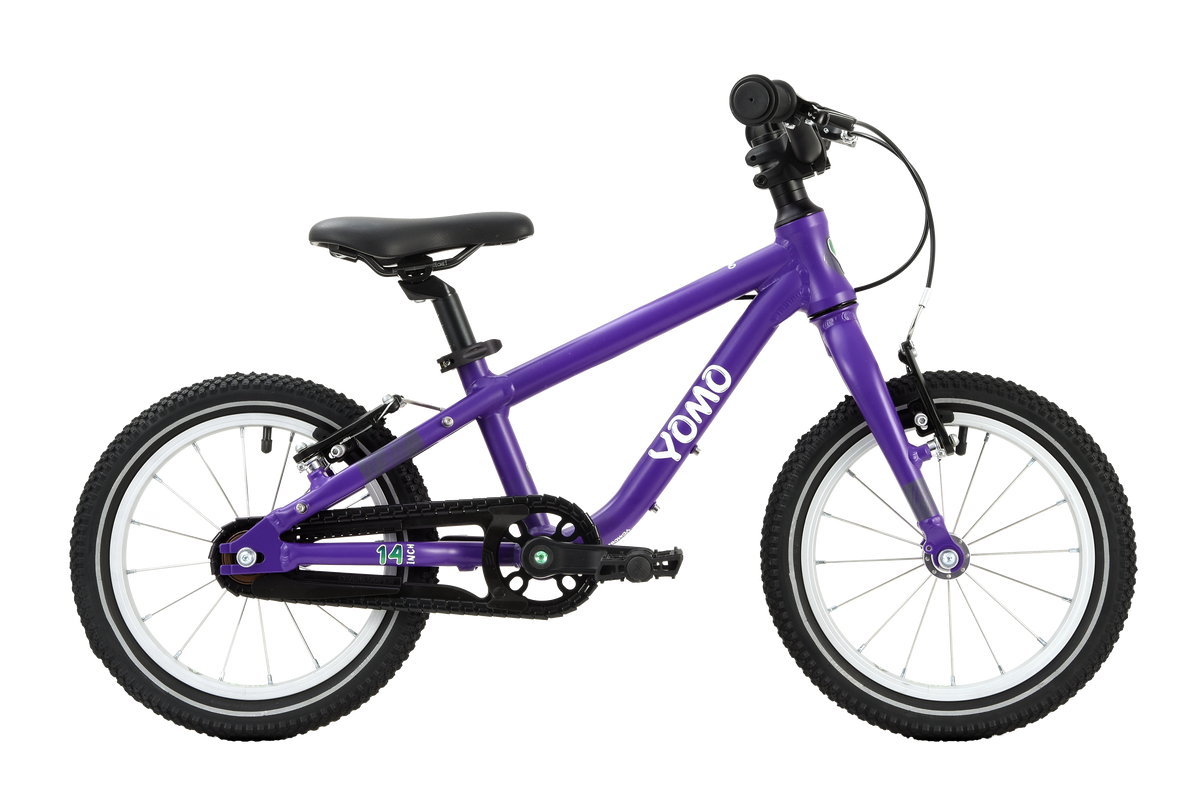
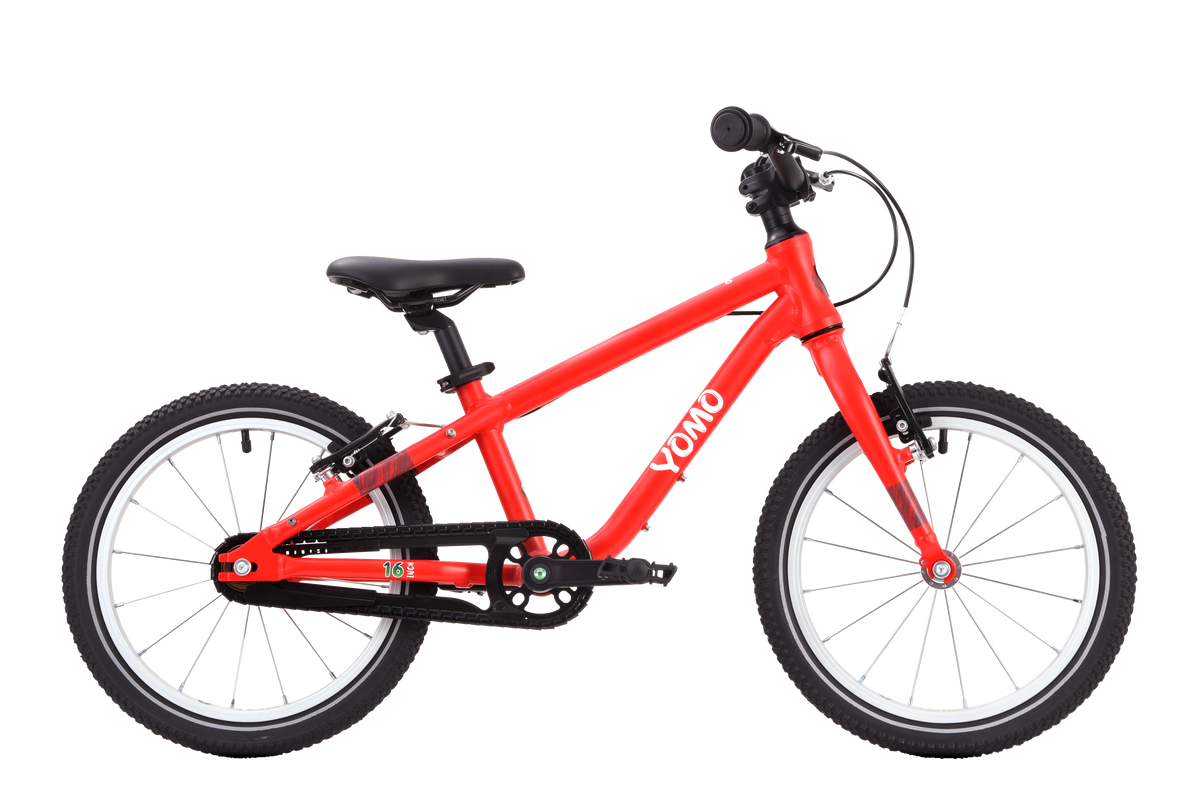
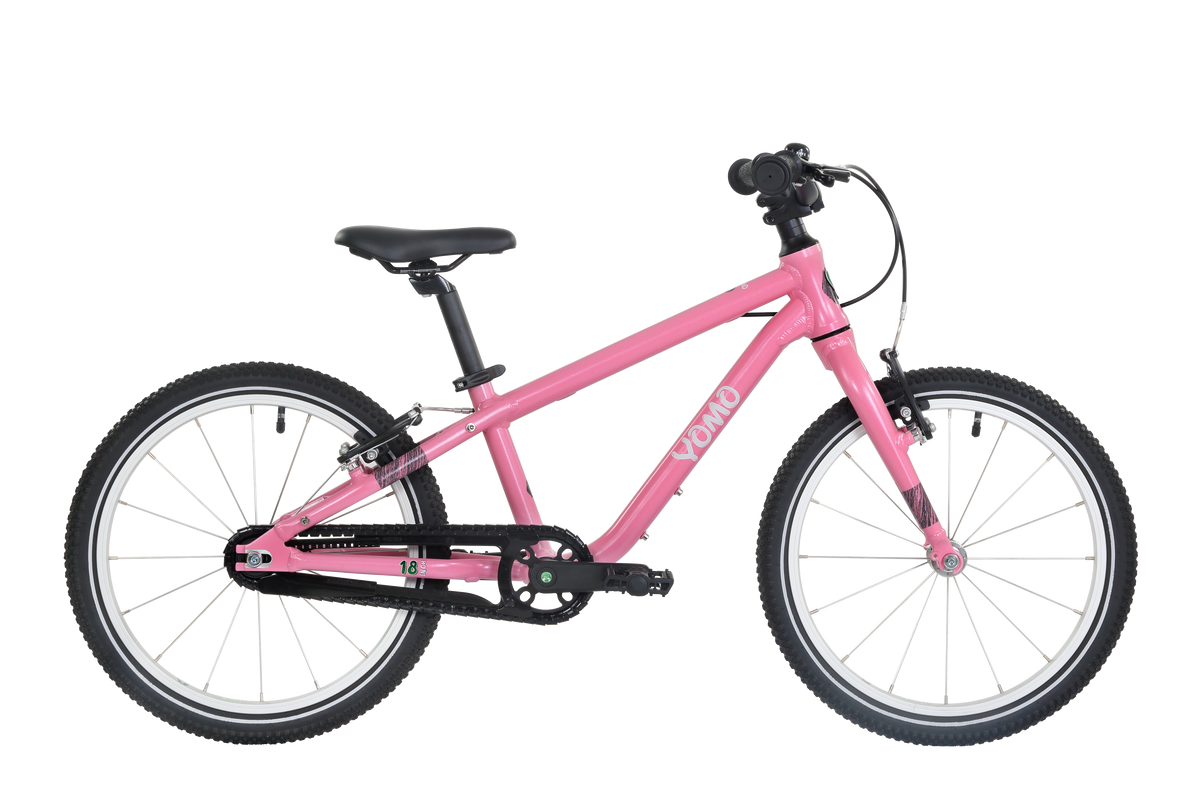
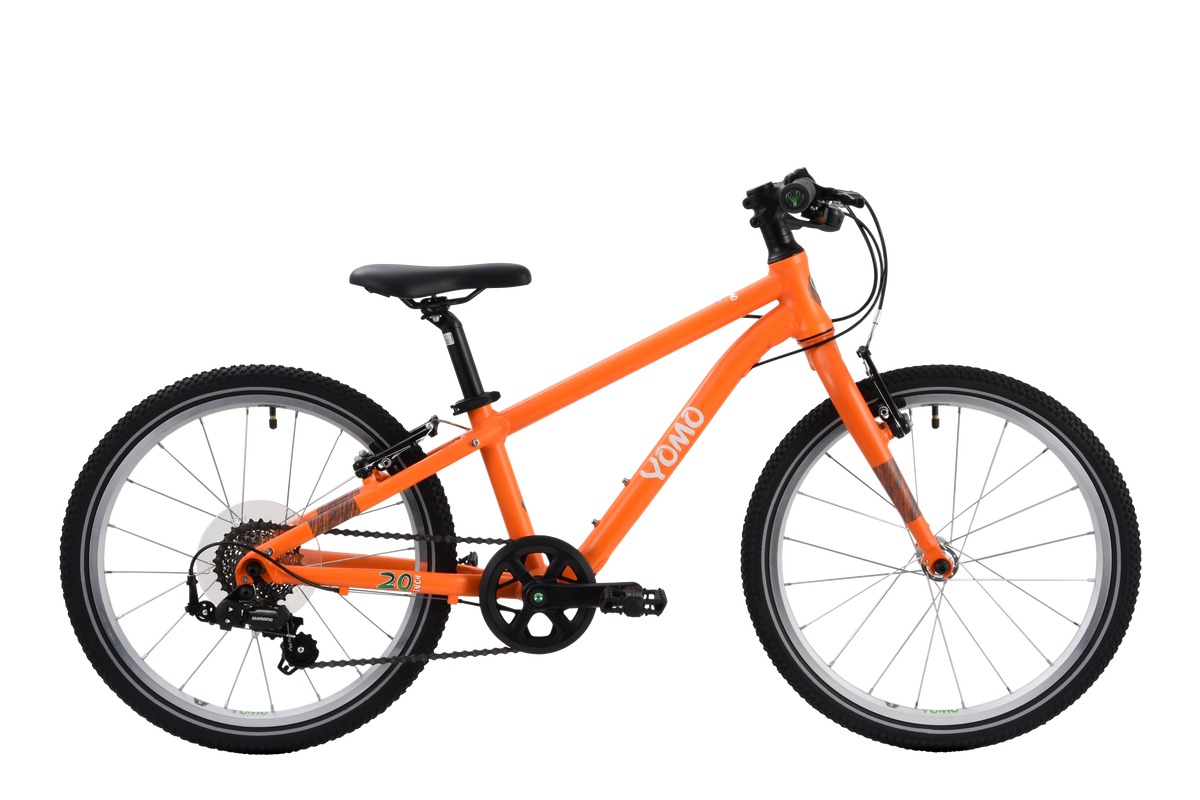
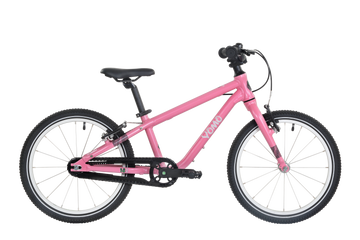
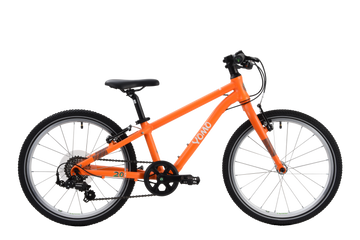
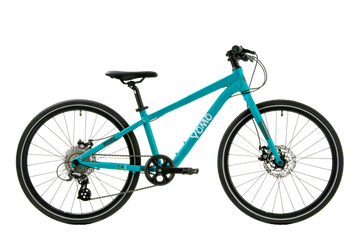
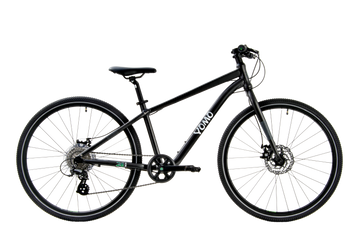
YOMO bikes are designed specifically around children's proportions rather than simply scaling down an adult bicycle.
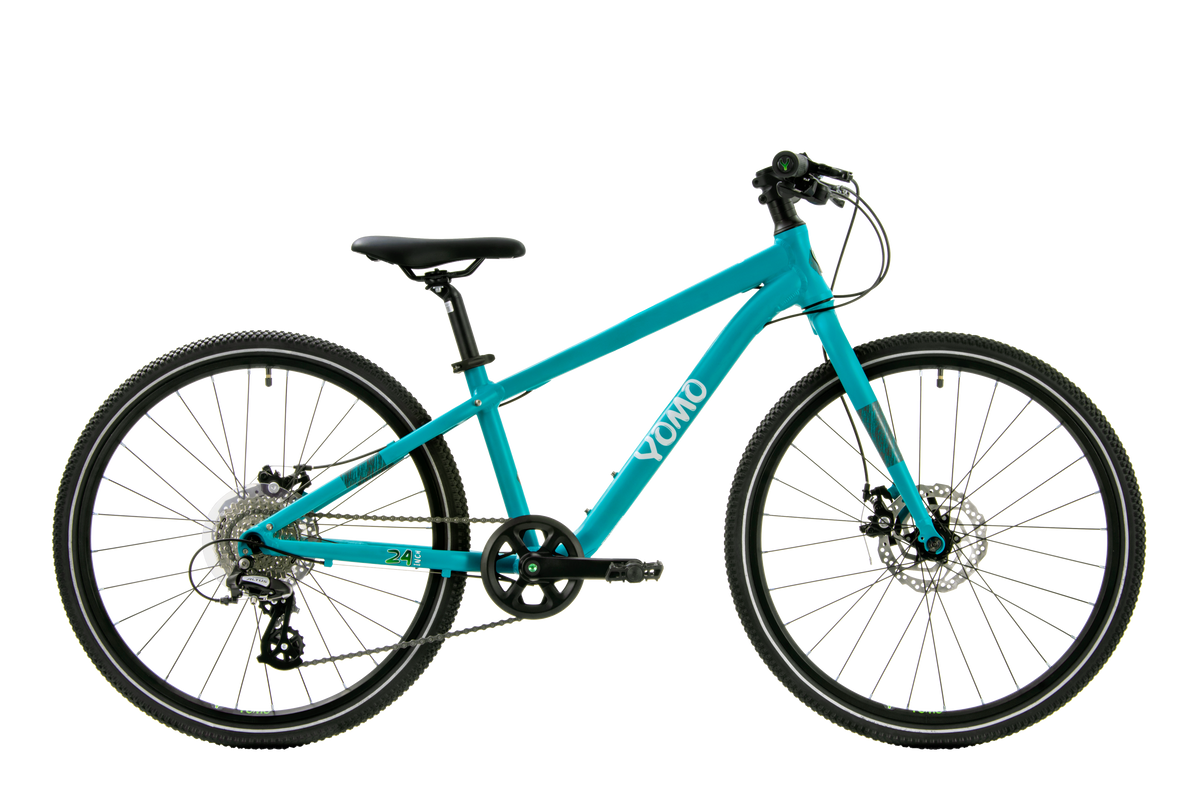
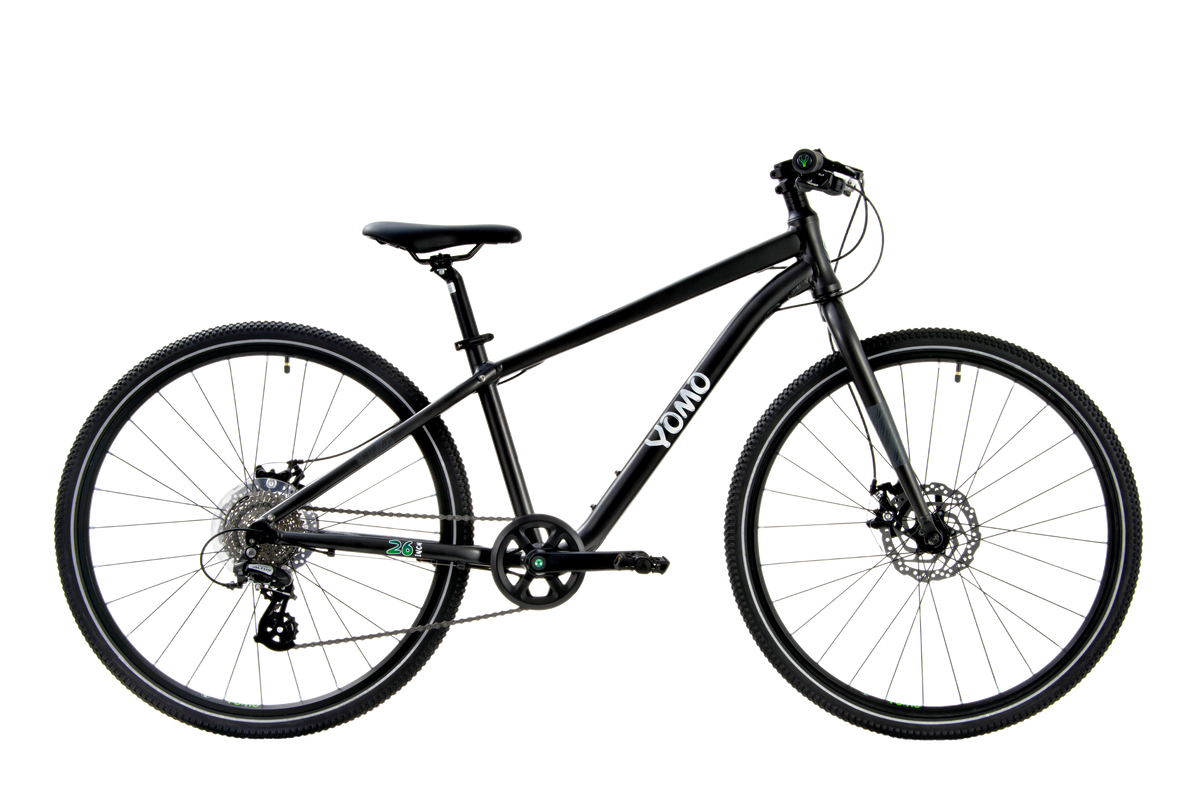
The range progresses from lightweight single-speed bikes for younger children through to geared models for older riders undertaking longer and more varied journeys.
But don't choose the bike from school distance or age alone.
The correct fit comes first.
Check your child's YOMO bike size or explore the YOMO children's bike range.
What about bad weather?
Rain doesn't automatically rule out a school ride, but conditions should influence the decision.
Wet roads can reduce grip and increase stopping distances, so children need to ride appropriately for the conditions.
Other conditions, such as:
- ice;
- flooding;
- very strong winds;
- severely reduced visibility; or
- significant weather warnings
may mean another way of getting to school is more appropriate that day.
A cycling routine should always leave room for sensible judgement.
Frequently asked questions about cycling to school
What age can a child cycle to school?
There is no single age that makes every child ready. Consider the child's cycling skills, maturity, supervision and the specific route rather than relying on age alone.
Does my child need Bikeability before cycling to school?
Bikeability can be valuable practical training, but the appropriate preparation depends on the child and route. In England, Bikeability Level 2 introduces riding on quieter roads, while Level 3 develops more advanced road skills.
Should children wear a helmet when cycling to school?
The Highway Code says cyclists should wear a cycle helmet that conforms to current regulations, is the correct size and is securely fastened.
What should I check before my child cycles to school?
Check bike fit, tyres, brakes, wheels, steering, drivetrain, helmet, lights where needed, the proposed route and your child's ability to manage it confidently.
How can we make cycling to school easier in the morning?
Practise the route beforehand, prepare clothing and equipment the night before and start with one or two cycling days rather than changing the entire week's routine immediately.
What if the route to school is too busy?
Look for quieter alternatives, traffic-free paths or routes with easier crossings. If there isn't a route appropriate to your child's current ability, practise elsewhere and reconsider the school journey as their skills develop.
Start with one well-planned ride
You don't need to transform the school run overnight.
Start by checking your child's bike and current fit, find the most suitable route, ride it together at a quiet time and see how your child responds.
If the journey works, repeat it.
If something doesn't feel right, change the route, build more skills or wait until they're ready.
A successful school cycling routine is one that works for the child, the route and the family.
For more information on the reasons families choose cycling, read 5 Reasons to Cycle to School and How to Do It Safely.
You can also read our Cycle to School Week 2026 guide for ideas on using the national event as an opportunity to try your first school journey.
If you're unsure whether your child's current bike still fits, use the YOMO Perfect Size Finder.


