


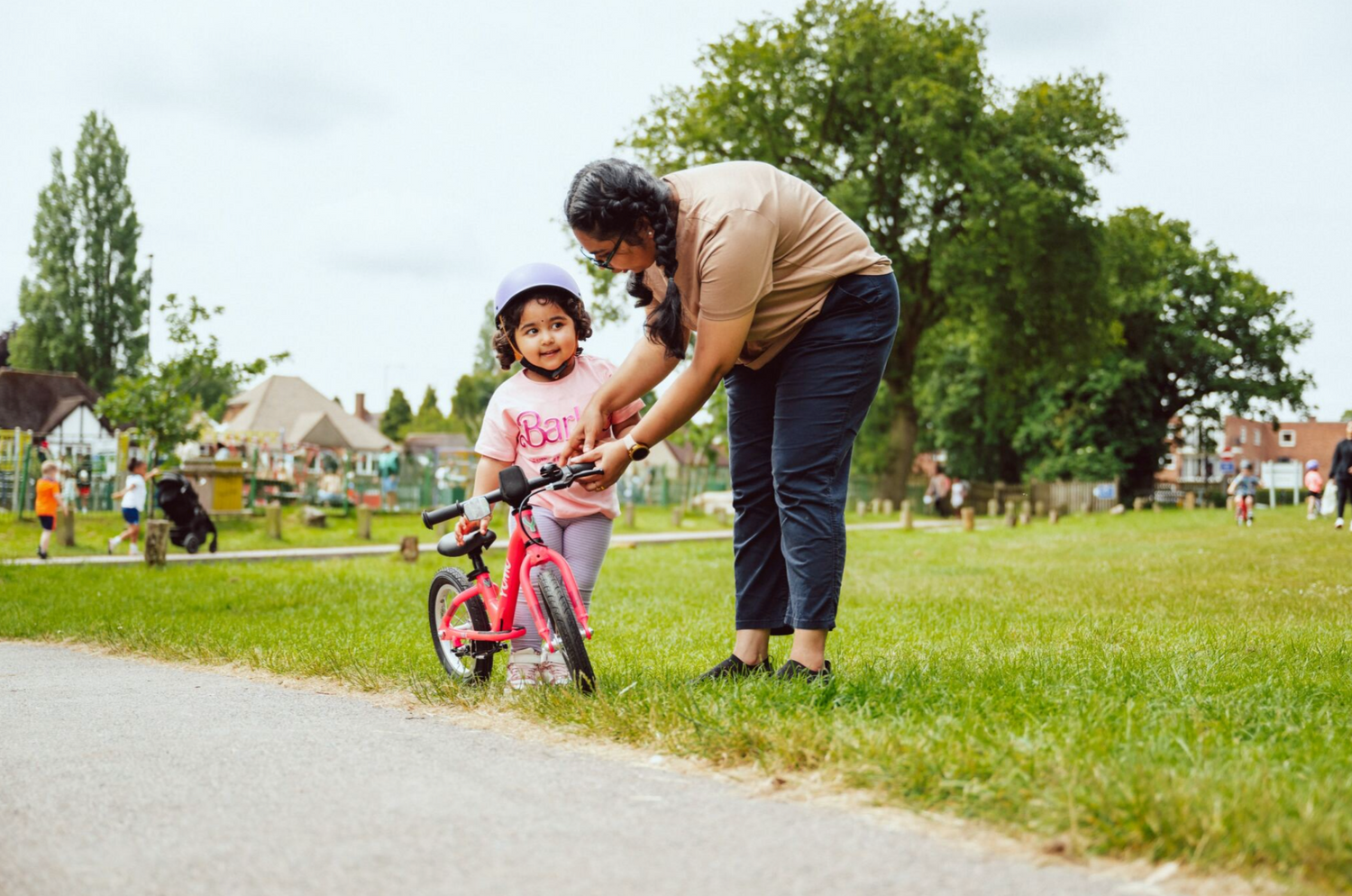
For many families, the school run means traffic, searching for somewhere to stop and another journey squeezed into an already busy morning.
When the distance and route are suitable, cycling to school can offer a practical alternative. It builds regular physical activity into the day, gives children opportunities to develop cycling confidence and can reduce the number of short car journeys around the school gates.
It isn't the right option for every child or every route. Road conditions, cycling ability, distance and suitable infrastructure all matter. But when those pieces are in place, riding to school can become one of the most enjoyable parts of the day.
Here are five reasons to consider it, followed by a practical checklist for making the journey safer and easier.
1. Cycling builds physical activity into the school day
A school journey happens twice on most weekdays, which means cycling can turn an ordinary commute into regular physical activity without needing to schedule a separate activity afterwards.
Pedalling helps children use their legs, practise balance and coordination and gradually build cycling stamina.
The benefit isn't that every school ride needs to become a workout. Even a relatively short, comfortable ride gives children an opportunity to move and spend time outdoors as part of their normal routine.
UK active-travel programmes actively support walking, wheeling and cycling to school as ways of helping children become more active.
2. It helps children build cycling confidence and independence
Learning to cycle confidently involves more than being able to pedal.
Children gradually learn how to:
- start and stop smoothly;
- control their speed;
- use their brakes correctly;
- look around while maintaining control;
- communicate with other road users;
- understand potential hazards; and
- make increasingly independent decisions.
A familiar journey can provide opportunities to practise those skills regularly, provided the route and level of supervision are appropriate for the child's ability.
For children who are ready to develop their road-cycling skills further, Bikeability is the government's national cycle-training programme in England. Training progresses from basic cycle control through to riding on roads and handling more complex situations.
3. Cycling can avoid some of the school-gate traffic
For families living within a practical cycling distance, travelling by bike can remove the need to sit in the final queue of cars approaching the school or search for parking close to the gates.
Whether it is actually quicker depends on your individual route, distance and local cycling infrastructure, so it is worth testing the journey before committing to it on a busy school morning.
Try the route together at a quieter time first. You may find that a route which looks longer on a map is more pleasant by bike because it uses quieter streets, parks or dedicated cycle infrastructure.
4. Fewer short car journeys can reduce traffic around schools
One family cycling to school won't solve congestion on its own. But when more families are able to walk, wheel or cycle, fewer cars need to arrive around the school gates at the same time.
That can help reduce local traffic and the tailpipe emissions associated with short car journeys.
School Streets and other active-travel schemes around the UK have been developed partly to encourage this shift and create environments where more families feel able to walk, wheel or cycle.
For children, it also provides a simple real-world example of how everyday transport choices can affect the places where they live.
5. The journey can become useful family time
A school journey doesn't have to feel like dead time between home and the classroom.
For younger children who ride with a parent or carer, cycling together can turn the commute into a shared routine.
There is time to talk, notice what's happening locally and gradually teach practical riding skills along the way.
As children become older and more capable, those skills can also support increasing independence when their ability, route and family circumstances make that appropriate.
Is your child ready to cycle to school?
Before focusing on the bike, consider the rider.
A child riding to school should have the cycling skills appropriate for the journey they will make.
For a typical family ride, useful foundations include being able to:
- start without losing control;
- ride in a reasonably straight line;
- look behind while maintaining control;
- brake smoothly and predictably;
- control speed on slopes;
- respond to instructions from an accompanying adult; and
- understand the parts of the Highway Code relevant to their journey.
If your child is not ready for the full school journey yet, that doesn't mean cycling is off the table. Build those skills gradually in quieter environments first.
Plan the school cycling route before the first morning
Don't assume the route you normally drive is automatically the best cycling route.
Look for alternatives that may include:
- dedicated cycleways;
- quieter residential streets;
- lower-speed roads;
- School Streets;
- traffic-free paths; and
- crossings that make busy roads easier to navigate.
Ride the proposed route together outside the morning rush before using it for school.
Pay particular attention to junctions, parked cars, driveways and places where your child will need to slow down, stop or cross.
Make sure the bike fits properly
A school bike needs to fit the rider just as carefully as any other children's bike.
A bicycle that is too large can make stopping, manoeuvring and reaching the ground unnecessarily difficult.
Don't buy a bigger bike simply because you hope it will last for more school years.
For YOMO bikes, start with your child's inside-leg measurement, then consider their height and current riding confidence.
Use the YOMO Perfect Size Finder to check the appropriate size before ordering.
If you'd like more detail, read our guide to choosing the right size bike for your child.
Why bike weight matters on the school run
A school bike may need to deal with frequent starting and stopping, kerbs, bike racks, slopes and being manoeuvred through gates or storage areas.
For children, unnecessary bike weight can make all of those tasks harder.
A lighter bicycle can be easier to:
- get moving;
- control at lower speeds;
- push when necessary;
- lift or reposition; and
- manage towards the end of a tiring school day.
YOMO's children's bikes use lightweight aluminium frames and child-specific geometry designed around younger riders rather than simply scaling down an adult bicycle.
Explore the YOMO children's bike range.
Check the bike before regular school journeys
A bike used regularly for school should be checked routinely rather than only when something feels wrong.
Before riding, make sure:
- both brakes operate effectively;
- the tyres are in good condition and inflated within the permitted pressure range shown on the tyre;
- both wheels are secure;
- the chain and gears operate correctly;
- the handlebars and saddle are secure and correctly positioned; and
- lights and reflectors are clean and working where required.
The Highway Code specifically advises cyclists to make sure their cycle is the right size, brakes are efficient and tyres, lights, wheels, gears, chain, saddle and handlebars are in suitable condition.
What should a child wear when cycling to school?
A correctly fitted cycle helmet is sensible for school journeys.
The Highway Code recommends wearing a helmet that conforms to current regulations, is the correct size and is securely fastened.
A child's helmet should sit level and low on the forehead and remain secure rather than rocking around their head.
Measure head circumference before choosing a size rather than relying purely on age.
You can read our children's cycling helmet fit guide or view the YOMO Kids' Helmet.
Clothing should also be practical. Avoid loose items that could become caught in the chain or wheels, and consider brighter or reflective clothing and accessories when visibility is poor.
Does my child's bike need lights for the school run?
Visibility becomes particularly important during darker autumn and winter school journeys.
Under the Highway Code, a bicycle being ridden at night must have a white front light and red rear light illuminated, together with the legally required reflectors.
Even when it isn't fully dark, suitable lights can be useful in gloomy or poor-visibility conditions.
Check them regularly and make sure bags or clothing don't obstruct them.
Don't forget the school end of the journey
Before your child's first cycling commute, check what happens when they arrive.
Ask the school:
- where bikes should be stored;
- whether cycle racks are covered;
- whether a lock is required;
- whether helmets can be stored safely during the day;
- whether the school operates a School Street; and
- whether it offers or supports Bikeability training.
A good journey isn't much use if you're surprised on arrival to discover there is nowhere practical to secure the bike.
What if cycling the whole way isn't practical?
It doesn't have to be all or nothing.
If your home is too far away, the route contains an unsuitable section or your child isn't ready for the entire journey, consider combining cycling with another form of transport where it can be done safely and practically.
You could also begin with cycling to school once or twice a week rather than immediately changing the family's daily routine.
The goal is to create a school journey that is sustainable for your family, not another morning obligation that creates more stress.
Which YOMO bikes work well for school journeys?
The right model depends on the rider rather than the destination.
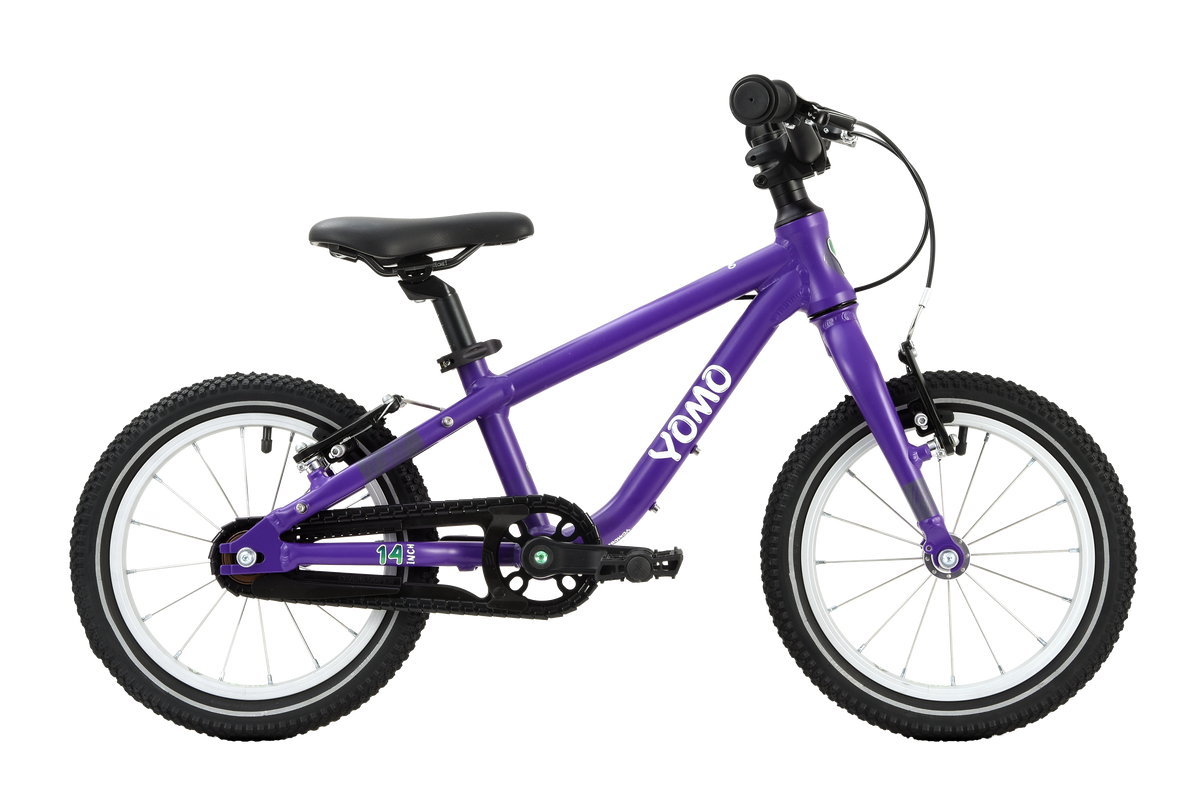
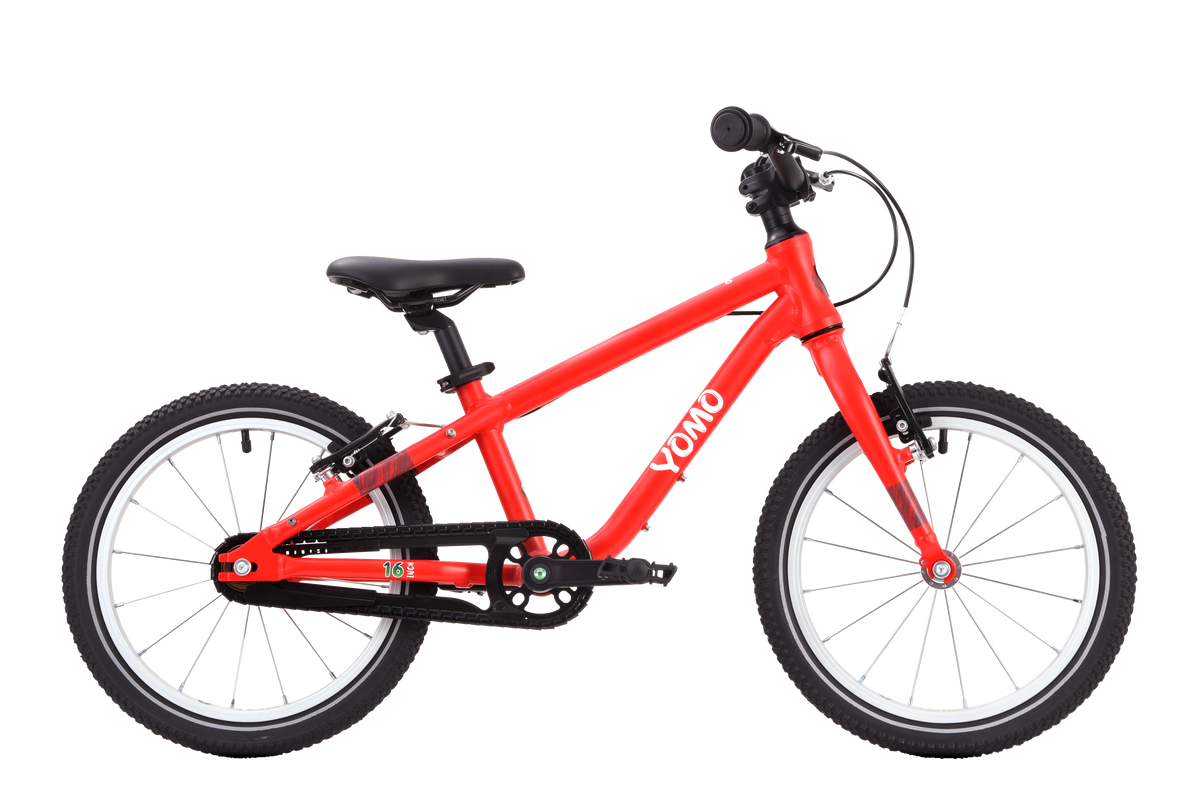
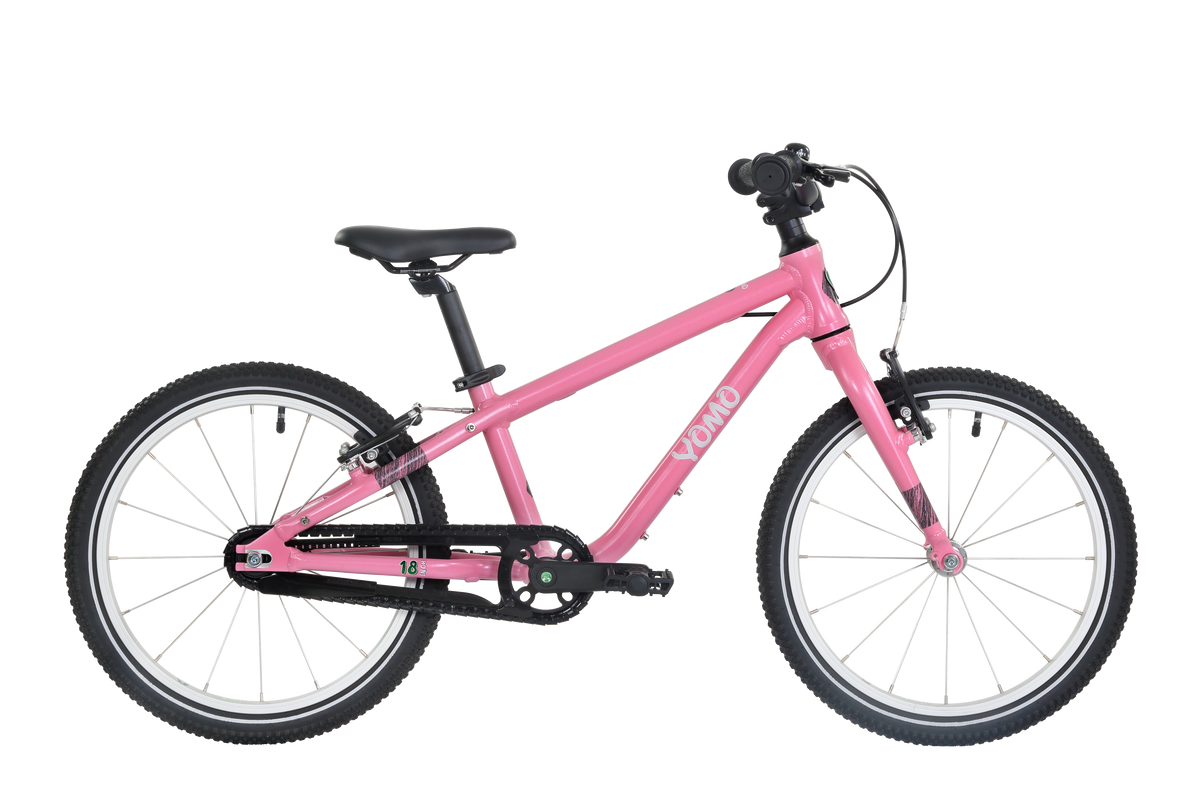
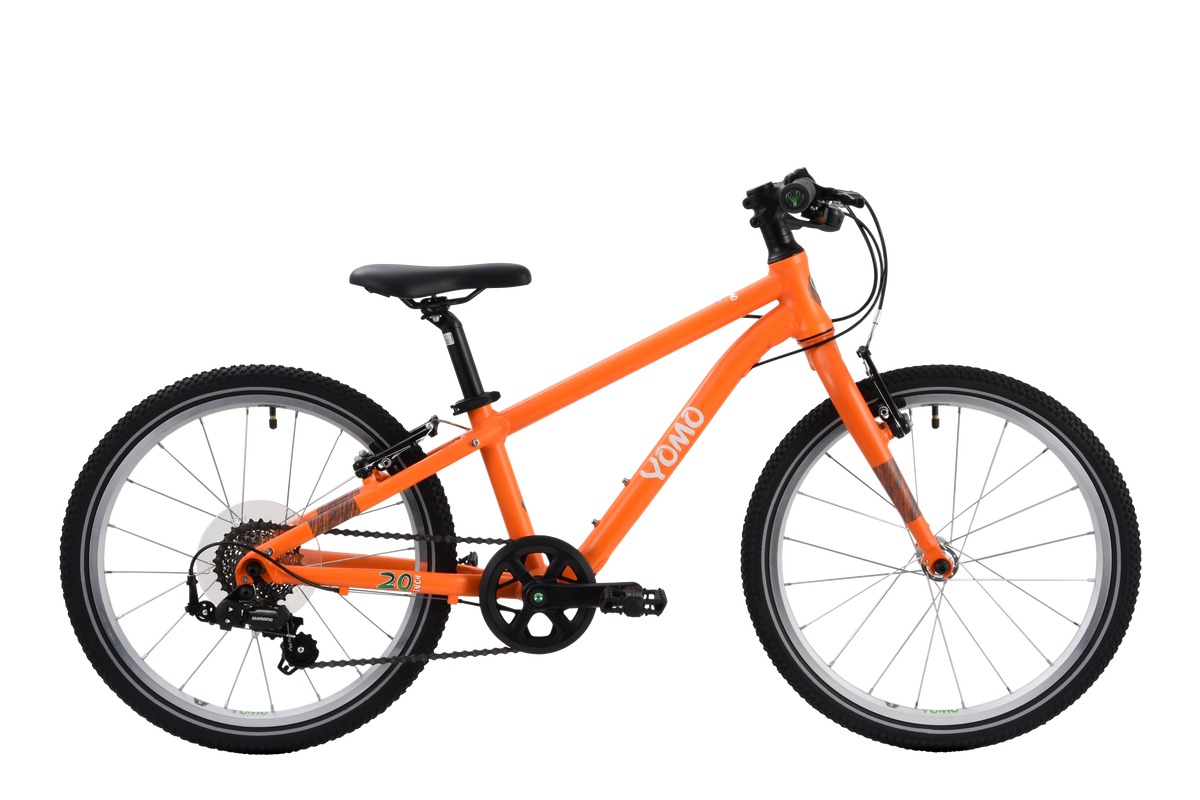
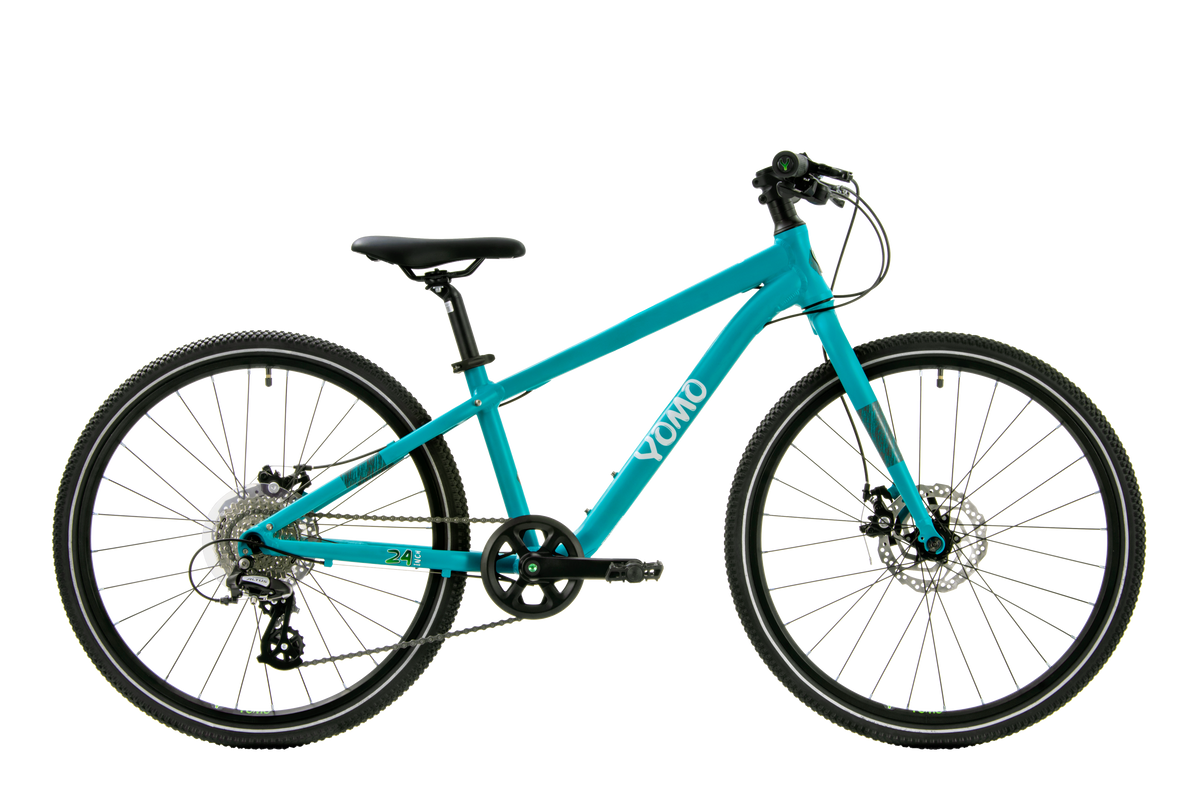
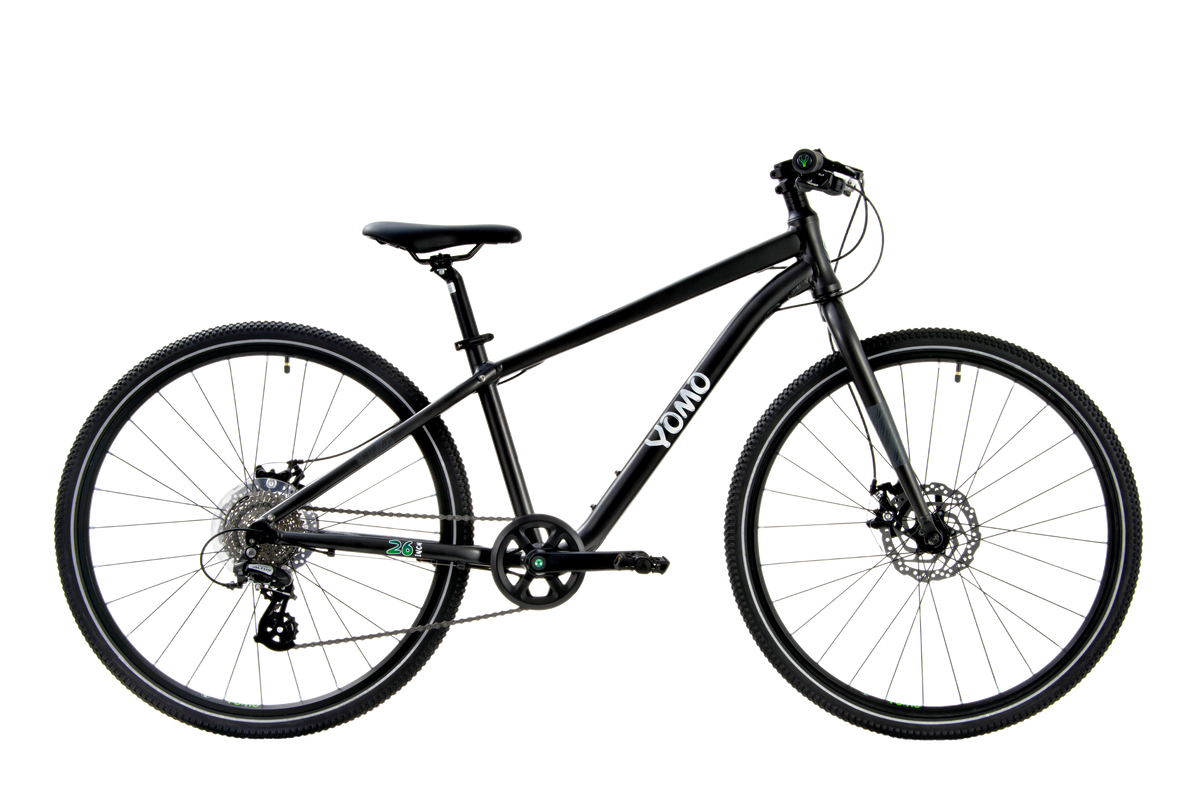
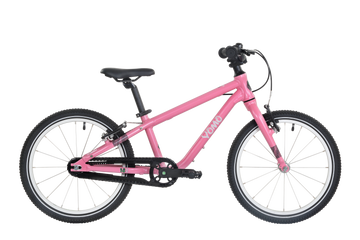
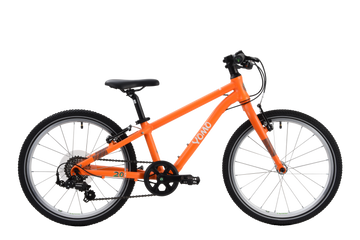
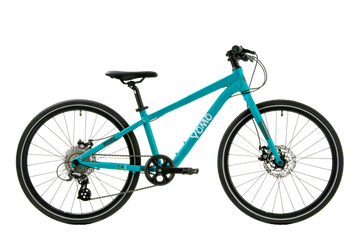
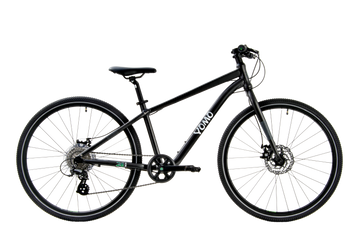
YOMO offers lightweight children's bikes from 14-inch through to 26-inch wheels, with single-speed models for younger riders and geared bikes for children beginning to tackle longer journeys and hills.
For example, the YOMO 20 weighs approximately 7.65 kg and uses Shimano 7-speed gearing, making it suitable for appropriately sized confident riders who are beginning to tackle longer everyday rides.
Older riders can move on to the geared YOMO 24 and YOMO 26 as their measurements and riding ability develop.
Don't choose a model simply because you want a “school bike”. Start with fit.
What happens when they outgrow their school bike?
Regular school cycling can make it particularly obvious when a bike has become too small.
When your child is ready for the next size, eligible YOMO bikes can be traded through YOMO BikeTrade.
BikeTrade offers up to 50% credit, subject to inspection, towards an eligible next-size YOMO.
This gives families another reason to prioritise the bike that fits properly now rather than deliberately buying an oversized bike to make it last longer.
Is cycling to school right for your family?
Cycling to school can bring regular activity, practical cycling experience and enjoyable family time while reducing the need for some short car journeys.
But it should always start with a realistic assessment of the child, the bike and the route.
Choose a bike that fits properly, build the rider's skills gradually, plan the route carefully and make sure the bike and safety equipment are ready for the conditions.
When those pieces come together, the school journey can become much more than simply getting from home to the classroom.
Find the right YOMO size or explore YOMO lightweight children's bikes.


