
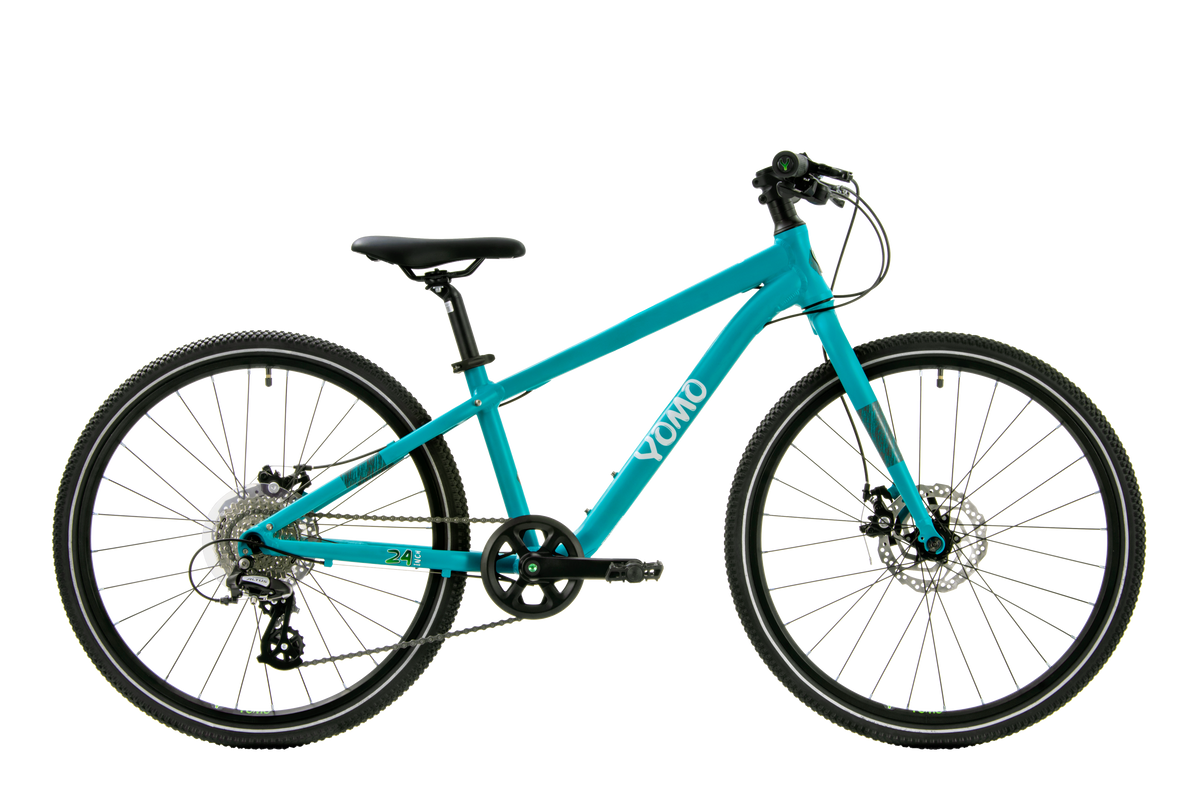
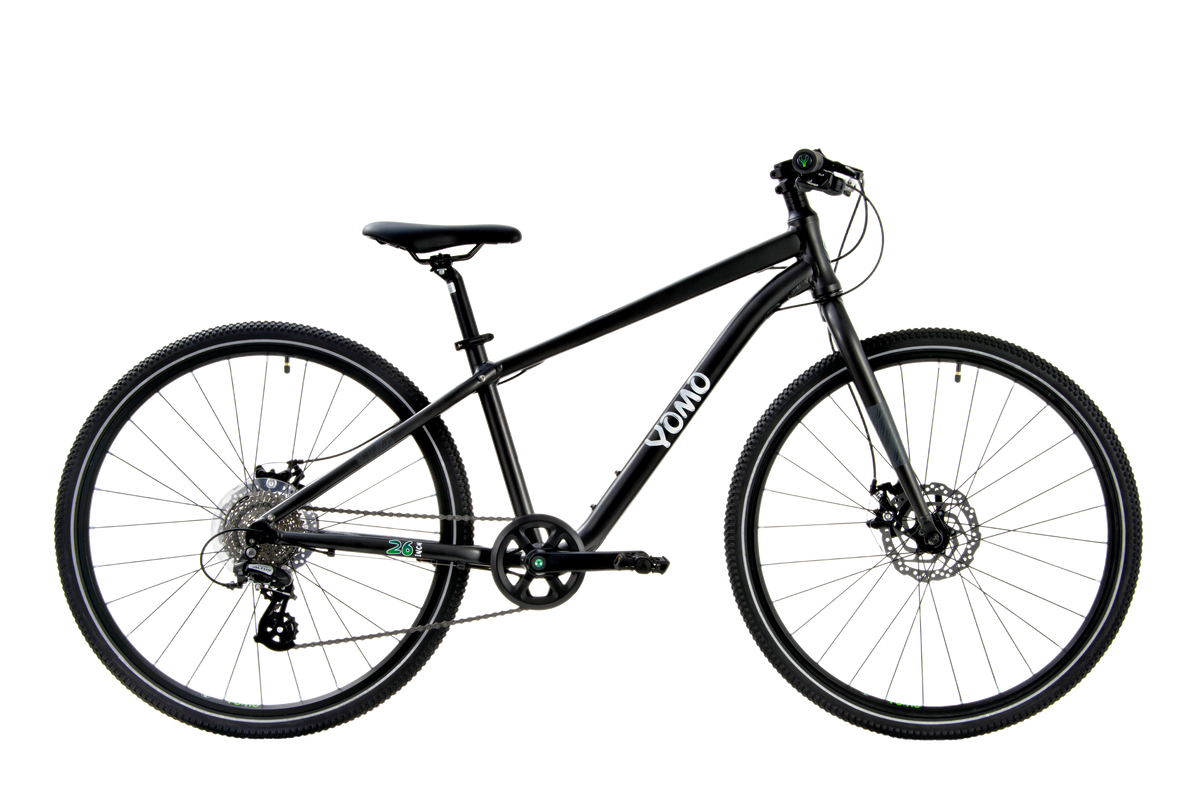


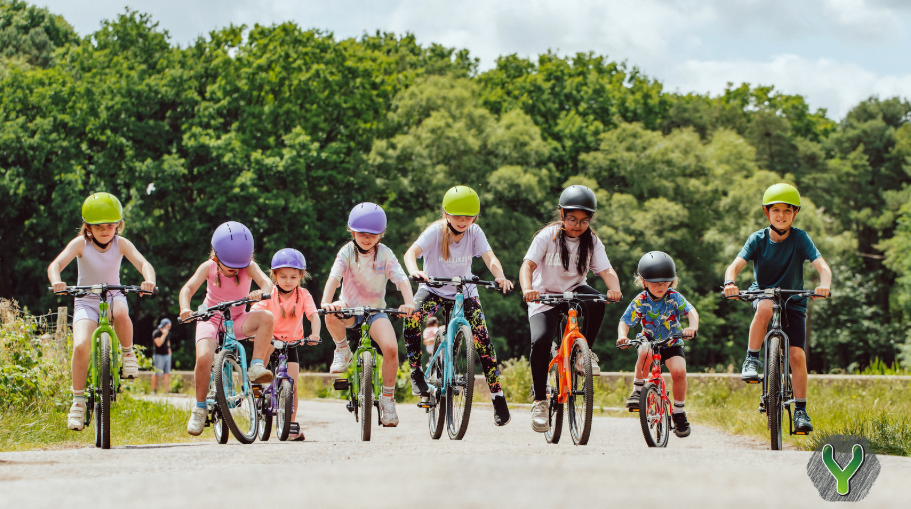
World Bicycle Day is celebrated every year on 3 June, giving families around the world a reason to celebrate one of the simplest ways to get moving: riding a bike.
You don't need to attend a large event or complete a long ride to take part.
For children, World Bicycle Day can be as simple as learning a new cycling skill, exploring a local traffic-free route, checking their bike together or heading out for a relaxed family ride.
Here's what World Bicycle Day is, why bicycles have their own United Nations observance and some practical ways to celebrate it with children.
When is World Bicycle Day?
World Bicycle Day takes place every year on 3 June.
The United Nations General Assembly declared 3 June World Bicycle Day in 2018.
The UN recognises the bicycle as a simple, affordable, reliable and sustainable means of transport and highlights its potential contribution to areas including health, education, sustainable development and social inclusion.
You can read more on the official United Nations World Bicycle Day page.
Why does World Bicycle Day exist?
The bicycle has been used for around two centuries, but its basic idea remains remarkably useful.
A bike can be:
- a way to travel;
- a form of physical activity;
- a recreational activity;
- a child's first taste of independent movement;
- a way for families to spend time together; and
- a practical alternative to some short car journeys.
The UN's World Bicycle Day resolution encourages countries and communities to recognise cycling's role in sustainable development, education, health and inclusion.
For families, the day doesn't need to become complicated.
It can simply be an excuse to make time for a bike ride.
Why cycling is useful physical activity for children
Cycling is one of the many ways children can include physical activity in everyday life.
The World Health Organization includes cycling as a form of physical activity and active transport.
For children and young people aged 5–17, WHO recommends an average of at least 60 minutes of moderate-to-vigorous physical activity per day across the week.
That doesn't mean children need to cycle for an hour every day.
Walking, playing, sport and other forms of movement all contribute.
Cycling simply provides another enjoyable way to be active.
What can children learn through cycling?
Learning to ride involves much more than moving a bicycle forwards.
Children gradually practise skills including:
- balance;
- steering;
- coordination;
- braking;
- looking ahead;
- judging speed;
- making decisions; and
- controlling the bike in different situations.
As their skills develop, they can gradually take on longer rides and more varied environments appropriate to their confidence and ability.
7 ways families can celebrate World Bicycle Day
1. Go for a family bike ride
The simplest option is often the best.
Choose a route appropriate for the least confident rider in the family and go for a ride together.
It could be:
- a local park;
- a traffic-free cycle path;
- a converted railway trail;
- a forest cycling route;
- a short ride to a playground; or
- a familiar neighbourhood route where cycling is appropriate.
The ride doesn't need to be long.
For younger children, twenty enjoyable minutes can be more valuable than pushing through a distance that leaves everyone tired and frustrated.
2. Let your child choose the destination
Instead of saying, “We're going for a five-mile bike ride,” give the journey somewhere interesting to finish.
That might be:
- a playground;
- a picnic spot;
- a café;
- a nature reserve;
- a friend's house; or
- somewhere your child has been asking to visit.
For many children, the destination is more motivating than the mileage.
3. Learn one new cycling skill
World Bicycle Day can also be a good opportunity to practise rather than travel.
Choose one skill appropriate to your child's current riding level.
For a newer rider, that might be:
- starting independently;
- braking smoothly;
- looking ahead instead of at the front wheel;
- riding in a straight line;
- turning under control; or
- lifting their feet and gliding on a balance bike.
More experienced children might practise:
- using gears;
- looking behind while maintaining a steady line;
- controlled hill starts;
- slower-speed bike control; or
- riding appropriately on a suitable off-road trail.
Keep practice sessions short and finish before frustration takes over.
4. Help a child move from a balance bike to pedals
If your child already glides confidently on a balance bike and is showing interest in pedals, World Bicycle Day could be a fun occasion to introduce the next stage.
Don't treat 3 June as a deadline, though.
A child is ready when their balance, confidence, interest and bike fit come together — not because a particular date has arrived.
Read our guide to learning to use a balance bike or our guide to learning to ride without stabilisers.
5. Give the bike a maintenance check together
Bike maintenance can become part of the activity rather than something adults do behind the scenes.
Show your child how to look at simple things such as:
- tyre condition and pressure;
- whether both brakes work;
- whether the wheels are securely fitted;
- the condition of the chain;
- whether the saddle and handlebars feel secure; and
- whether anything looks damaged or unusual.
Older children can gradually learn more responsibility for checking their own bicycle before riding.
For a more complete guide, use our kids' bike maintenance checklist.
6. Explore somewhere new by bike
A familiar local ride is easy, but World Bicycle Day can also provide an excuse to discover somewhere different.
The UK has thousands of miles of trails, forest roads, converted railway lines and sections of the National Cycle Network.
Before choosing a route, check:
- how much is traffic-free;
- distance;
- gradient;
- surface type;
- road crossings;
- current closures or diversions;
- facilities; and
- whether the route genuinely matches your child's ability.
Our UK family cycling destination guide is a good place to start.
7. Invite another family
Cycling can also be social.
If your child has friends who ride, consider arranging an informal family ride somewhere appropriate for the whole group.
Keep the route suitable for the least experienced rider rather than choosing something around the strongest child.
A playground or picnic stop can make the day feel more like an outing than an organised cycling session.
Check that your child's bike still fits
World Bicycle Day often falls at a point in the year when children have already grown noticeably since Christmas or the previous summer.
Before planning a bigger ride, check whether their bicycle still fits properly.
Look at whether your child can comfortably:
- reach the handlebars;
- operate both brakes;
- start and stop;
- control the bike at slower speeds;
- pedal comfortably; and
- use the available saddle adjustment within the manufacturer's permitted range.
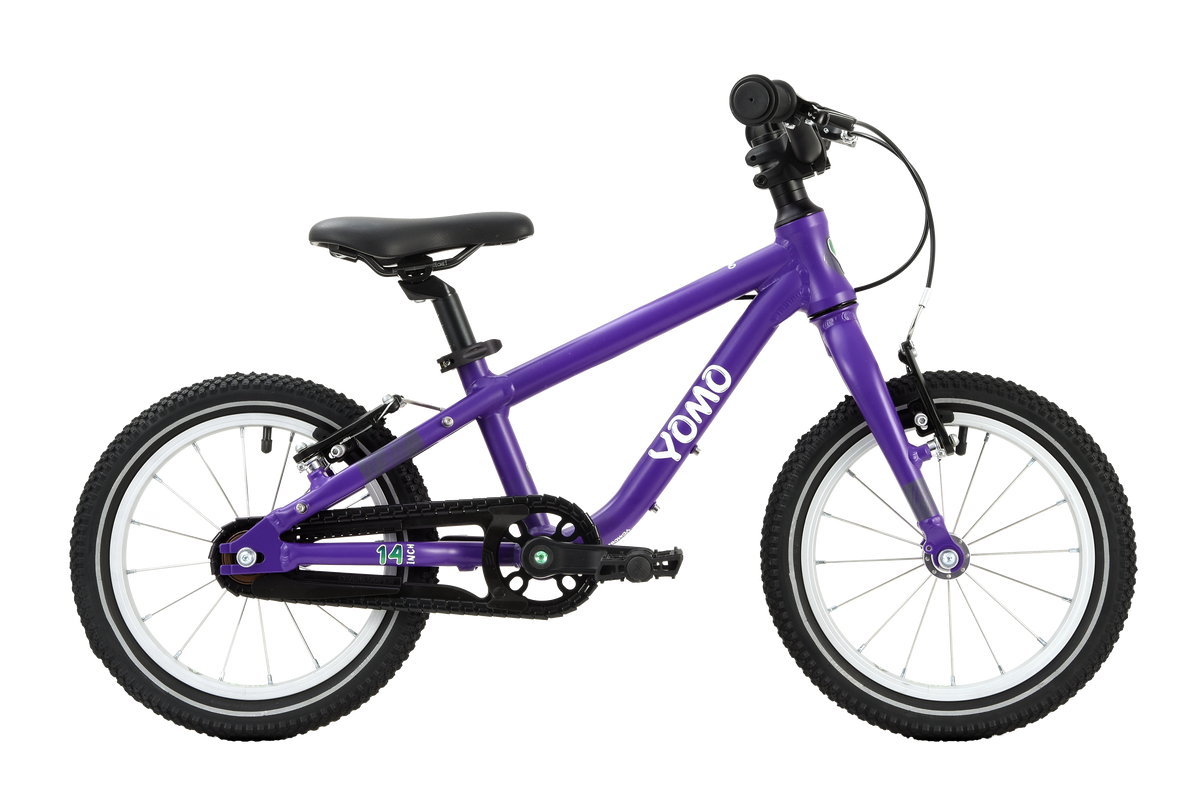
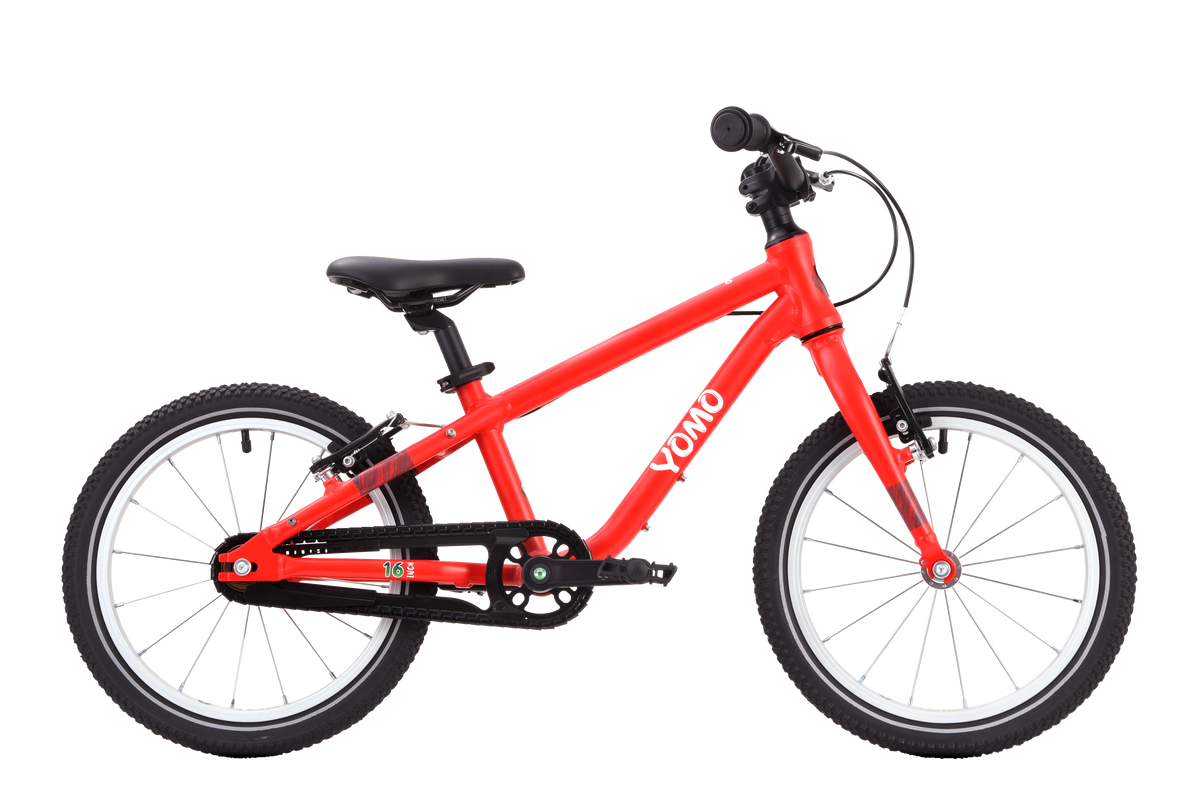
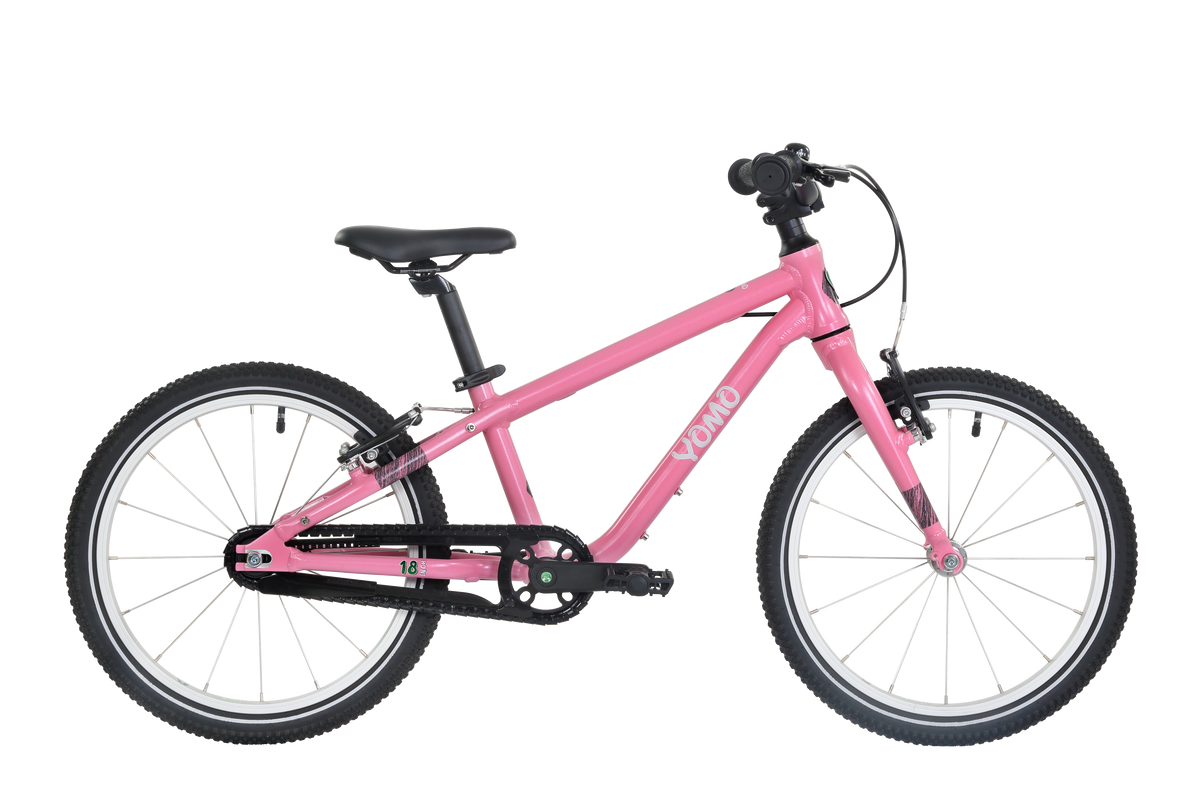
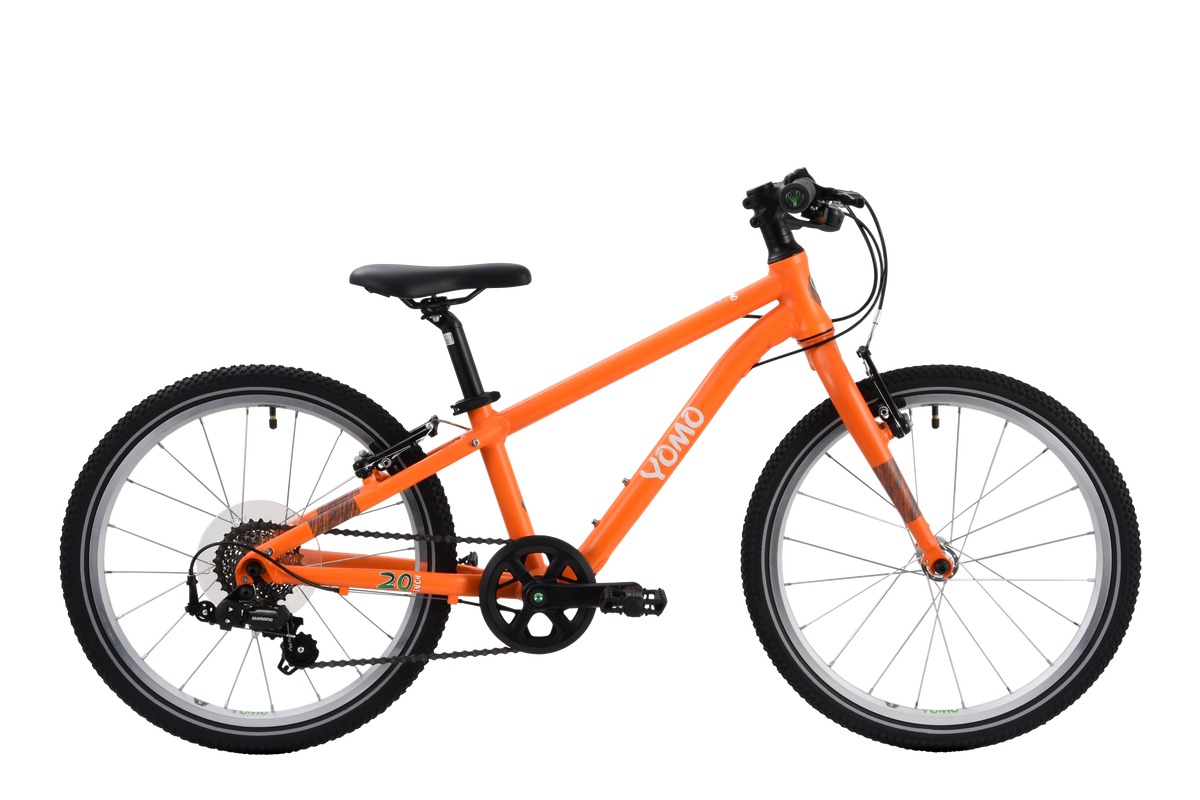
For YOMO bikes, size recommendations should prioritise inside-leg measurement, current fit and rider confidence, with age used only as an approximate guide.
If you're unsure, use the YOMO Perfect Size Finder.
Don't buy a bigger bike just for World Bicycle Day
If you're using World Bicycle Day as the occasion for a new bicycle, resist the temptation to buy a bike that is deliberately too large so your child can “grow into it”.
A bicycle that fits properly now can be easier for a child to:
- control;
- start;
- stop;
- steer;
- reach the brakes; and
- ride confidently.
If your child's measurements overlap two sizes, think about the best fit now compared with the option that provides more room to grow.
The best choice depends partly on their confidence and current cycling ability.
Make safety part of the celebration
Before setting off, choose an environment appropriate for your child's ability and give the bicycle a basic check.
Children should also wear a correctly fitted cycling helmet.
Check that the helmet:
- is the correct size for their head circumference;
- sits level on the head;
- doesn't move excessively;
- has correctly adjusted straps; and
- fastens securely.
You can read our children's helmet sizing and fit guide.
What if your child can't ride yet?
They can still celebrate World Bicycle Day.
For a young child, 3 June could be the day they:
- try a balance bike;
- learn to sit comfortably on their bike;
- practise walking and gliding;
- learn how their brakes work;
- watch an older sibling ride; or
- simply spend some time playing with a bicycle.
There is no requirement for a child to reach a particular cycling milestone.
World Bicycle Day is about celebrating bicycles, not testing children.
What if your child has lost confidence?
Don't turn the day into pressure to ride further or faster.
Start somewhere familiar and manageable.
A short session practising things your child can already do can help them become comfortable on the bike again before introducing anything new.
Read our guide to building cycling confidence in kids for more practical ideas.
Frequently asked questions about World Bicycle Day
When is World Bicycle Day?
World Bicycle Day is celebrated every year on 3 June.
Who created World Bicycle Day?
The United Nations General Assembly formally declared 3 June World Bicycle Day in April 2018.
Why is World Bicycle Day celebrated?
The United Nations established the day to recognise the bicycle and encourage its use in areas including sustainable development, physical activity, education and social inclusion.
When was the first World Bicycle Day?
The first United Nations World Bicycle Day took place on 3 June 2018.
How can children celebrate World Bicycle Day?
Children can go for a family ride, learn a new cycling skill, practise on a balance bike, check their bicycle, explore a new trail or simply spend time riding somewhere they enjoy.
Does World Bicycle Day have a different date each year?
No. World Bicycle Day always takes place on 3 June.
Does a World Bicycle Day ride need to be long?
No. Choose a distance and route that suit your child's current ability. For a young or less confident rider, a short enjoyable ride may be the best way to celebrate.
Celebrate the bicycle, not the distance
World Bicycle Day doesn't need a complicated challenge.
A bicycle can give a child somewhere to explore, a new skill to learn and a reason for the family to spend some time outside together.
On 3 June, choose something that fits your child's current ability.
That could mean their first glide on a balance bike, practising a smooth stop, riding to the park or heading out together on a longer family trail.
However you celebrate, keep the focus on making cycling something your child wants to do again.
If you need to check their current bike size before your next ride, use the YOMO Perfect Size Finder or explore the YOMO children's bike range.


